Comparing Languedoc Holiday Homes to Greece’s Property Market
Reading time: 9 minutes
Table of Contents
- Setting the Scene: Two Mediterranean Dreams
- Languedoc: The Rustic French Contender
- Greece: Sun, Islands, and Investment Buzz
- Price Per Square Meter: The Real Comparison
- Rental Yields and Return on Investment
- Legal and Tax Considerations
- Common Challenges (And How to Solve Them)
- Frequently Asked Questions
- Your Roadmap Forward
Setting the Scene: Two Mediterranean Dreams
Ever stood at a crossroads trying to decide between a crumbling stone farmhouse in southern France or a whitewashed villa overlooking the Aegean? You’re not alone. Thousands of buyers in 2026 are weighing exactly this decision, and the answer isn’t as obvious as glossy brochures might suggest.
Both regions promise sunshine, history, and a slower pace of life. But the financial mechanics, legal frameworks, and long-term value propositions differ enormously. Let’s break this down with the kind of practical detail that actually helps you make a decision, not just admire a view.
Languedoc: The Rustic French Contender
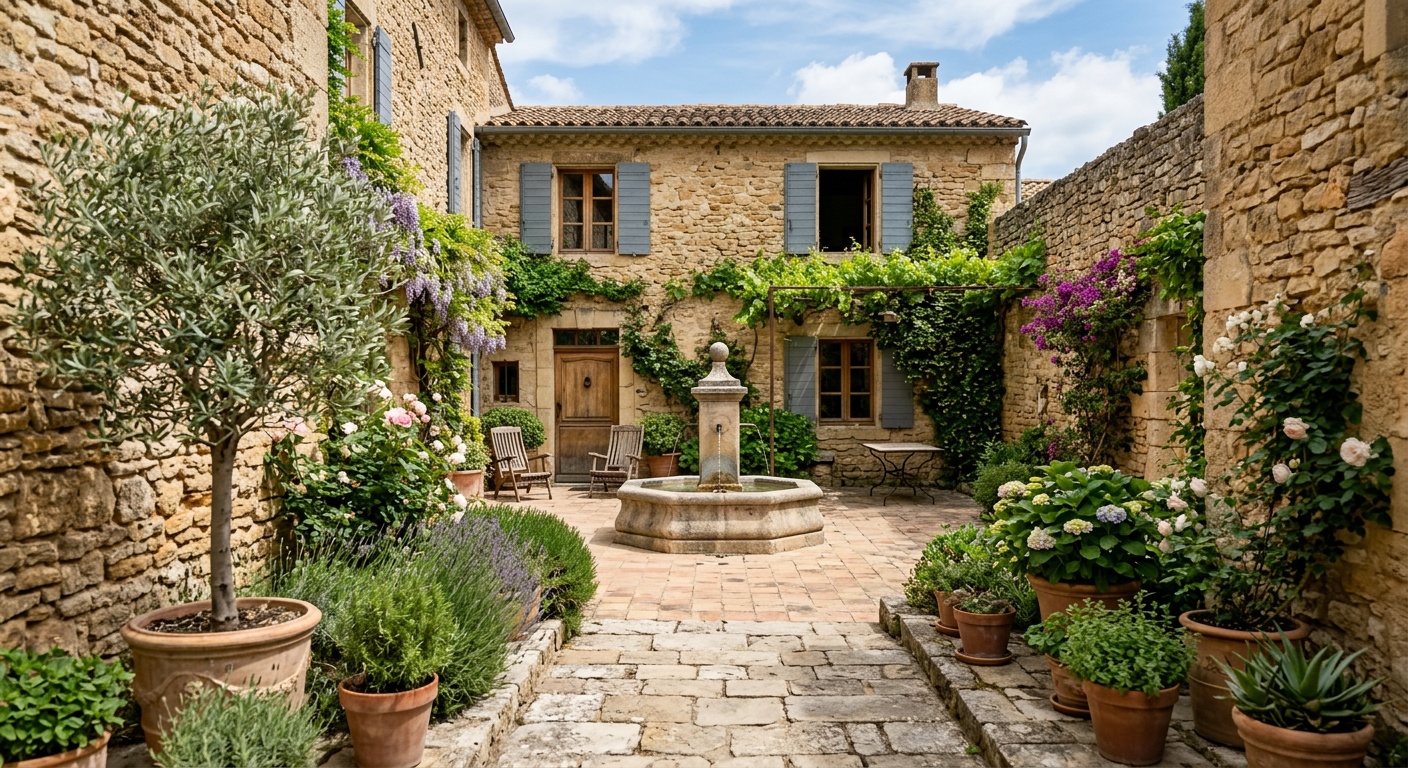
Languedoc has quietly become one of France’s most attractive regions for holiday-home buyers who want authenticity without Provence-level price tags. Stretching from the Camargue wetlands to the Spanish border, it offers vineyards, medieval villages, and a coastline that hasn’t been entirely swallowed by high-rises.
In 2026, average prices for a renovated village house in areas like Pézenas or Béziers hover around €2,400–€3,100 per square meter, according to regional notary data. Compare that to Provence’s €4,500+ average, and you start to see why budget-conscious buyers are migrating west.
Why Buyers Are Drawn to Languedoc
It’s not just about price. Languedoc offers a genuine sense of untapped potential. Wine tourism is booming—exports from the region grew by roughly 6% in 2025—and local municipalities are investing in infrastructure to support that growth. Buyers who purchase now are essentially betting on a region still climbing toward its ceiling, rather than one that’s already peaked.
Pro Tip: Focus on towns within a 20-minute radius of a TGV station. Connectivity is quietly becoming the biggest value driver in rural France, and properties near fast rail links have appreciated 15–20% faster than isolated ones over the past three years.
Greece: Sun, Islands, and Investment Buzz
Greece tells a different story entirely. The country’s property market has been on a tear since 2022, driven largely by the Golden Visa program (even after the 2025 threshold increases) and a wave of foreign capital seeking Mediterranean lifestyle assets with strong rental potential.
Athens, in particular, has transformed from an overlooked capital into a genuine investment hotspot. Renovation-driven demand in neighborhoods like Koukaki and Pangrati has pushed prices up considerably, and buyers researching athens real estate often discover that yields there now rival many established European capitals.
The Island Premium
Islands like Paros, Naxos, and even lesser-known Milos have seen price surges of 8–12% year-on-year through 2025 and into 2026. This isn’t hype—it’s structural. Limited land, strict building restrictions, and surging tourism numbers (Greece welcomed over 36 million visitors in 2025) create a supply-demand imbalance that keeps pushing values upward.
Quick Scenario: Imagine you buy a two-bedroom apartment in Naxos for €180,000. With average summer occupancy rates near 75% and nightly rates around €140, you could realistically see gross rental yields of 6–7% annually—something that’s increasingly rare in Western European coastal markets.
Price Per Square Meter: The Real Comparison
Numbers tell the story better than adjectives. Here’s how the two markets stack up in 2026:
| Metric | Languedoc (France) | Greece (Islands/Athens) |
|---|---|---|
| Avg. Price per m² | €2,400–€3,100 | €2,800–€5,200 |
| Gross Rental Yield | 3.5%–4.5% | 5%–7% |
| Annual Price Growth (2025) | 2.1% | 9.4% |
| Transaction Costs (approx.) | 7%–8% | 6%–10% |
| Foreign Buyer Restrictions | Minimal | Minimal (border-zone rules apply) |
Visualizing the Growth Gap
The chart below illustrates 2025 annual price growth—arguably the single most telling metric for anyone deciding where to put their money in 2026.
Rental Yields and Return on Investment
Well, here’s the straight talk: Greece currently wins on raw numbers, but Languedoc wins on stability and buyer protections. As one Montpellier-based estate agent put it during a 2025 industry panel, “French buyers aren’t chasing yield—they’re chasing permanence. Greek buyers are chasing momentum.” That distinction matters enormously depending on your goals.
If you’re building a portfolio for short-term rental income, Greece’s tourism infrastructure and lighter regulatory friction on platforms like Airbnb make it the more lucrative short-term play. If you want a slower-appreciating but lower-risk asset with strong resale liquidity, Languedoc remains compelling.
Legal and Tax Considerations
France’s notary-driven purchase process is famously thorough—some call it slow, others call it reassuringly rigorous. Expect a compromis de vente followed by a mandatory cooling-off period, then a final deed signed roughly two to three months later.
Greece’s process has become notably more streamlined since digitalization reforms rolled out in 2024–2025, but foreign buyers still need a Greek tax number (AFM) and should budget for notary, registration, and transfer taxes that can push total costs to nearly 10% in some regions.
Common Challenges (And How to Solve Them)
Ready to transform complexity into competitive advantage? Here are the three friction points buyers hit most often:
- Renovation permits in Languedoc: Historic building codes can delay projects by months. Solution: hire a local architect familiar with ABF (Architectes des Bâtiments de France) requirements before making an offer.
- Currency and banking friction in Greece: International wire delays can jeopardize deposit deadlines. Solution: open a Greek bank account early and work with a bilingual lawyer.
- Overestimating rental income on islands: Seasonal volatility is real. Solution: model your yield on a conservative 5-month occupancy window, not the peak summer average.
Frequently Asked Questions
Is Languedoc cheaper than the Greek islands overall?
Generally yes, particularly for rural village properties. However, premium coastal spots in Languedoc like Sète or Collioure-adjacent areas can rival mid-tier Greek island pricing.
Which market offers better long-term capital growth?
Greece currently shows stronger short-term momentum, but Languedoc’s growth has historically been steadier and less exposed to tourism-cycle shocks.
Do I need residency to buy property in either region?
No. Both France and Greece allow non-resident foreign buyers to purchase property freely, though Greece’s Golden Visa program adds residency incentives for qualifying investments.
Your Roadmap Forward
Whichever direction you lean, treat this as a strategic decision rather than an emotional one. Here’s your practical next-step checklist:
- Define your primary goal—lifestyle asset, rental income, or long-term equity growth
- Compare at least three comparable properties in each region using verified 2026 price data
- Consult a local tax advisor before signing any preliminary agreement
- Visit during shoulder season (spring or autumn) to assess year-round livability, not just summer charm
- Factor in currency risk if you’re purchasing outside the eurozone
Mediterranean property markets are evolving fast, and 2026 looks like a pivotal year for both regions as tourism patterns and climate considerations reshape buyer priorities. So, which vision fits your next chapter—the quiet permanence of a Languedoc farmhouse, or the sun-drenched momentum of a Greek island escape?