Marketing Strategies That Boost Occupancy for Languedoc Rentals
Reading time: 9 minutes
Table of Contents
- The Languedoc Rental Landscape in 2026
- Three Occupancy Challenges Owners Face
- Marketing Strategies That Actually Move the Needle
- Pricing and Channel Mix: What the Data Shows
- Real Examples from the Field
- FAQs
- Your Roadmap Forward
The Languedoc Rental Landscape in 2026
Ever stared at your booking calendar in late February, watching empty weeks stretch across March and April, wondering why guests are flocking to Provence instead of your beautifully renovated mas near Pézenas? You’re not alone. Languedoc-Roussillon has quietly become one of France’s fastest-growing short-term rental markets, but growth in listings doesn’t automatically translate into growth in bookings.
According to regional tourism board data released in early 2026, the Languedoc coastline and hinterland saw a 14% increase in registered short-term rental properties compared to 2025, while average occupancy for independent owners actually dipped by roughly 3 percentage points. More competition, same pool of demand—at least for owners who haven’t adjusted their marketing approach.
Here’s the straight talk: listing your property on Airbnb and hoping for the best is no longer a strategy. It’s a starting point. The owners filling their calendars in Béziers, Sète, Carcassonne, and the Minervois wine country are treating marketing as an ongoing discipline, not a one-time setup task.
Three Occupancy Challenges Owners Face
1. Seasonal Concentration
Languedoc still suffers from a July-August bottleneck. Roughly 45% of annual bookings for coastal properties cluster into an eight-week window, leaving shoulder seasons underbooked. Inland vineyard properties fare slightly better thanks to wine tourism, but the pattern persists.
2. Visibility Against Bigger Regional Names
Provence, the Dordogne, and the French Riviera dominate search intent. Many travelers researching “South of France vacation rental” never consider Languedoc simply because they don’t know it exists as a distinct option—even though it offers comparable coastline, vineyards, and medieval towns at often lower price points.
3. Generic Listing Content
A striking number of Languedoc listings still use dim, wide-angle photos and copy that reads like a checklist (“3 bedrooms, pool, WiFi”) rather than a story. In a market where guests scroll past dozens of similar stone houses with pools, generic content is invisible content.
Marketing Strategies That Actually Move the Needle
Build a Direct Booking Presence, Not Just a Listing
Platforms like Airbnb and Booking.com are excellent discovery tools, but they’re rented shelf space—you’re competing on their terms, paying their commissions (often 15-18% combined with service fees), and losing guest data. A simple, well-optimized website with direct booking capability does three things: it captures repeat guests, it lets you run targeted email campaigns, and it builds an asset you actually control.
Practical tip: Even a single-page site with a booking widget (tools like Lodgify or Smoobu integrate this affordably) can recover 8-12% of bookings that would otherwise go through a commission-charging OTA.
Localize Your Content Around Micro-Experiences
Instead of marketing “a villa in Languedoc,” market “a villa 12 minutes from the Saturday market in Pézenas and a 20-minute drive to the oyster huts of Bouzigues.” Specificity sells. Guests booking three to six months out are often deciding between regions, and hyper-local detail signals authenticity and reduces decision anxiety.
Leverage Wine Tourism Partnerships
The Languedoc is the largest wine-producing region in France by volume, and wine tourism visits to the area grew an estimated 9% in 2025 according to regional trade associations. Partnering with nearby domaines for guest discounts, tasting vouchers, or co-branded content (think: a joint Instagram reel featuring your pool and their vineyard at sunset) taps into a built-in, high-intent audience already searching for the region.
Invest in Professional, Story-Driven Photography
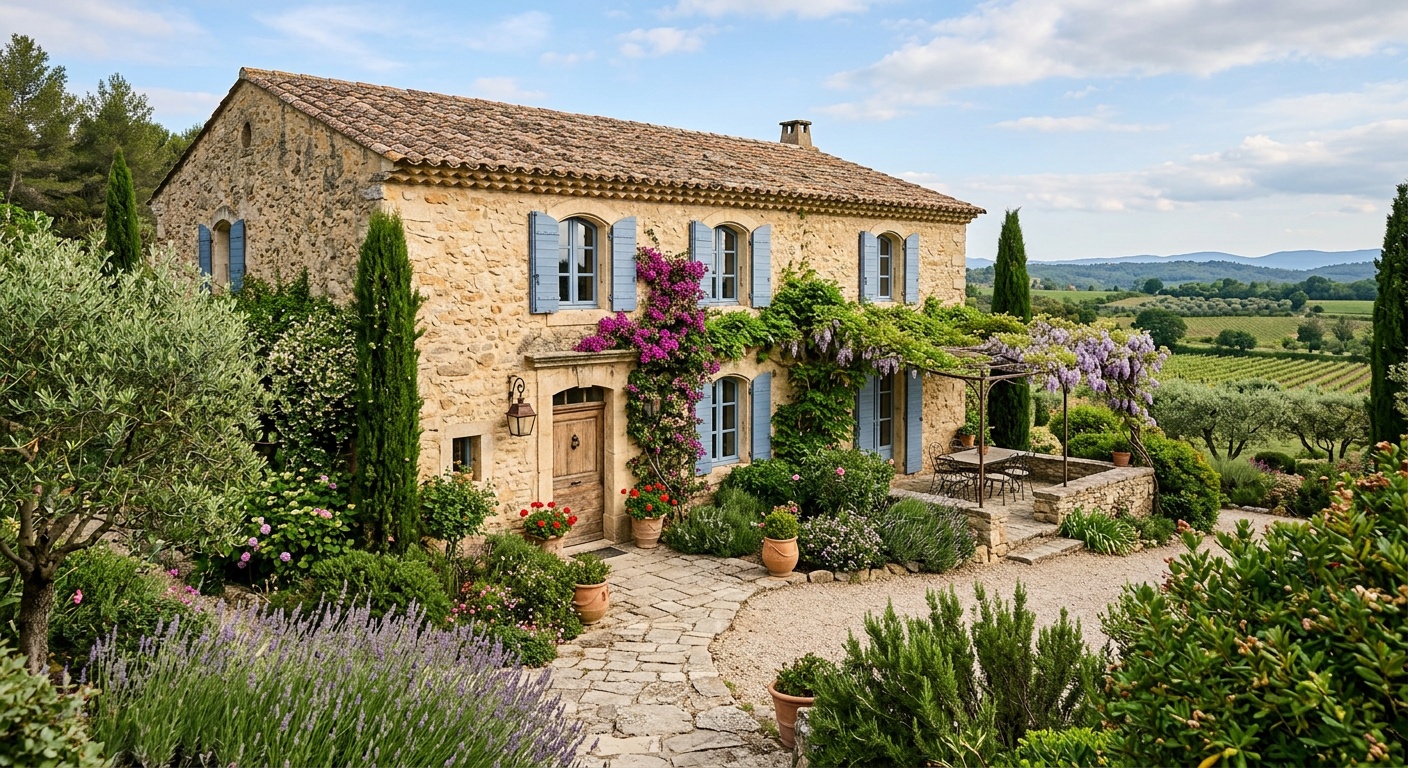
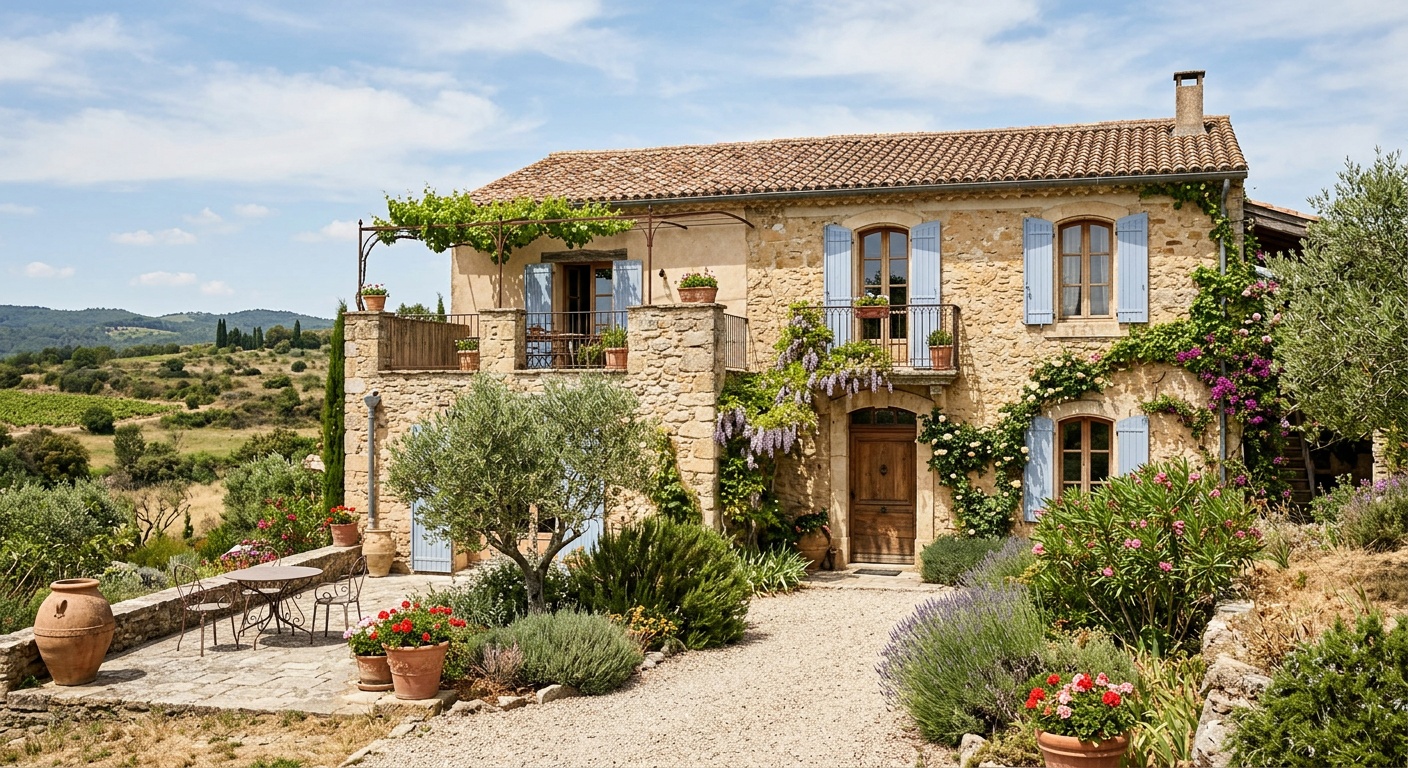
Quick scenario: two nearly identical stone cottages, same price, same amenities. One listing shows the pool empty at noon; the other shows a table set for breakfast under a fig tree with the pool visible behind it. Which gets clicked more? Listings with lifestyle-oriented photography (not just room shots) see meaningfully higher click-through rates on OTAs, according to internal data shared by several European property management companies in 2025 briefings.
Run Shoulder-Season Campaigns With Purpose
Rather than simply discounting April and October, build a narrative around them: “grape harvest season,” “almond blossom weekends,” “off-peak coastal walks without crowds.” Bundle in a local activity (a cooking class, a market tour) to justify value rather than just cutting price, which protects your brand positioning.
Pricing and Channel Mix: What the Data Shows
Below is a snapshot comparing key performance metrics across common distribution and marketing approaches used by Languedoc rental owners in 2026, based on aggregated regional property management reports.
| Strategy | Avg. Occupancy Lift | Commission Cost | Setup Effort | Best For |
|---|---|---|---|---|
| OTA-only listing | Baseline | 15-18% | Low | New owners |
| Direct booking site + email list | +8-12% | 3-5% (payment processing) | Medium | Repeat guests |
| Wine/local partnership marketing | +6-9% | Minimal (barter/referral) | Medium | Shoulder season |
| Professional photography refresh | +10-15% | One-time fee (€300-600) | Low | All property types |
| Targeted shoulder-season campaigns | +12-18% (Mar-May, Sep-Oct) | Variable ad spend | Medium-High | Coastal & rural villas |
Visualizing the Occupancy Lift
Here’s a simplified comparison of average occupancy lift by strategy, illustrating why a diversified marketing mix outperforms relying on a single channel.
Real Examples from the Field
Case 1: A vineyard cottage near Minervois. An owner managing a two-bedroom cottage struggled with a 38% annual occupancy rate in 2025. After partnering with a neighboring domaine for a “harvest weekend” package and refreshing photography to show golden-hour vineyard views from the terrace, occupancy climbed to 54% by the end of 2026’s first three quarters—without lowering nightly rates.
Case 2: A coastal apartment in Sète. Facing heavy competition from Airbnb listings in the same building, the owner built a simple direct booking page and offered returning guests a 10% loyalty discount via email. Within eight months, 22% of bookings came direct, cutting OTA commission costs meaningfully while occupancy held steady at 71%.
Case 3: A stone house near Carcassonne. Marketed generically for two years with mediocre results, the owner rewrote listing copy to emphasize walking distance to the medieval Cité and added a “history lovers’ weekend” theme with curated local recommendations. Click-through rate on the listing reportedly doubled within the first month of the change, according to the owner’s OTA dashboard analytics.
As one Montpellier-based property manager put it during a 2026 regional tourism panel: “Owners who treat their rental like a hospitality brand, not just a spare room, are the ones filling their April calendars. The rest are still competing purely on price.”
Frequently Asked Questions
Is it worth building a direct booking website for just one property?
Yes, if you plan to rent consistently for several years. Even modest direct booking tools cost relatively little to set up and can recoup their cost within a single season by reducing OTA commissions and enabling repeat-guest loyalty campaigns.
How important is professional photography compared to pricing strategy?
Both matter, but photography often has outsized impact because it determines whether a guest clicks on your listing at all. Competitive pricing means little if your photos aren’t compelling enough to earn that first click.
What’s the fastest way to fill shoulder-season gaps?
Bundle experiences rather than simply discounting. Partnering with local wineries, markets, or activity providers to create themed packages tends to outperform pure price cuts, because it reframes the off-season stay as a distinct, desirable experience rather than a “leftover” booking.
Your Roadmap Forward
The Languedoc rental market in 2026 rewards owners who move beyond passive listing management toward active, story-driven marketing. Here’s where to focus your energy next:
- Audit your visuals this month — replace generic room shots with lifestyle photography that tells a story about the local experience.
- Set up a basic direct booking channel — even a simple site reduces commission dependency and builds a repeat-guest asset over time.
- Identify one local partner — a winery, market vendor, or activity provider — and co-create a themed package for the next shoulder season.
- Rewrite your listing copy — swap checklists for specific, sensory details about what’s genuinely nearby and memorable.
- Track your channel mix quarterly — knowing what percentage of bookings come direct versus via OTA helps you reinvest marketing budget where it performs best.
As regional competition intensifies and traveler expectations rise, the owners who treat marketing as an evolving craft—rather than a box to check once—will be the ones with fuller calendars come next shoulder season. So, which of these strategies will you test first on your own property?