By Owner Holiday Rentals in Languedoc Versus Booking Platforms: The Insider’s Guide to Smarter Choices
Reading time: 14 minutes
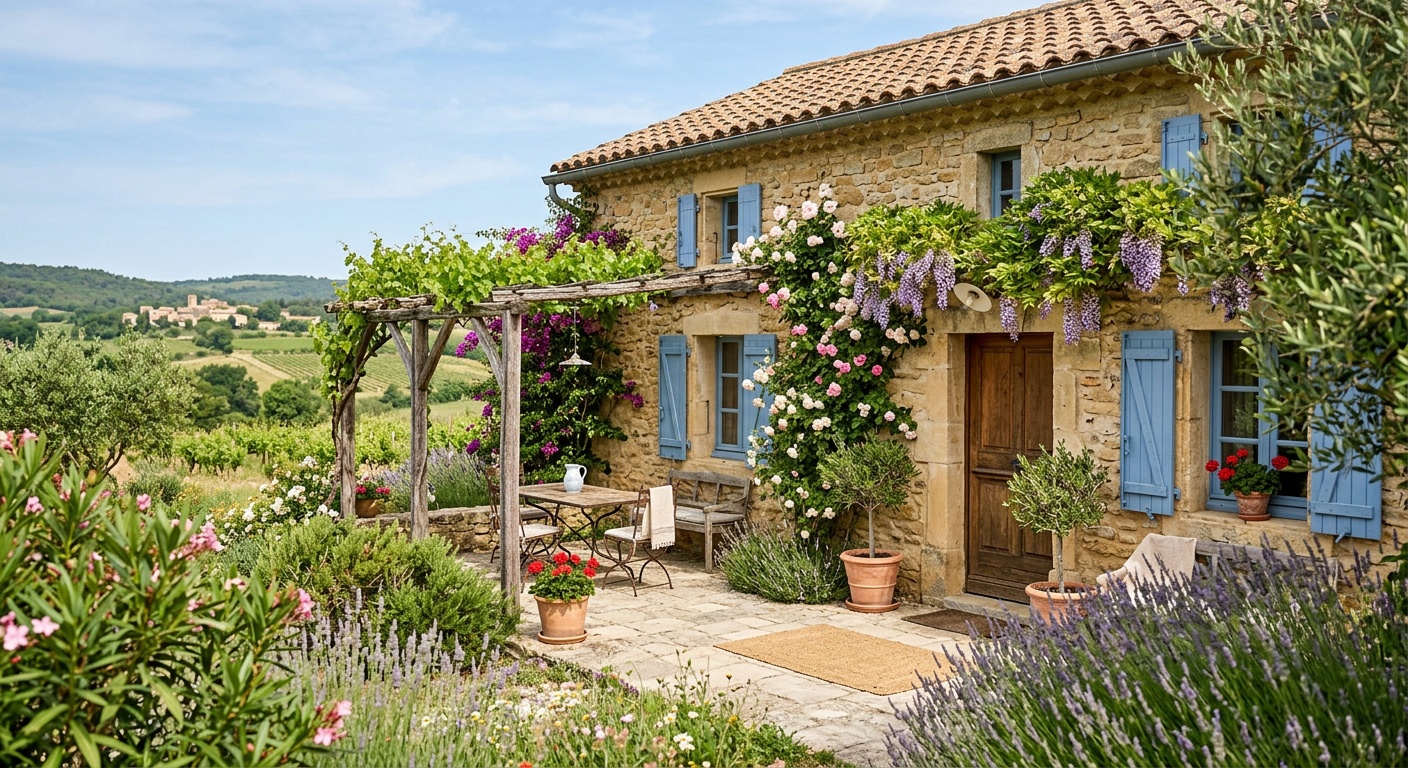
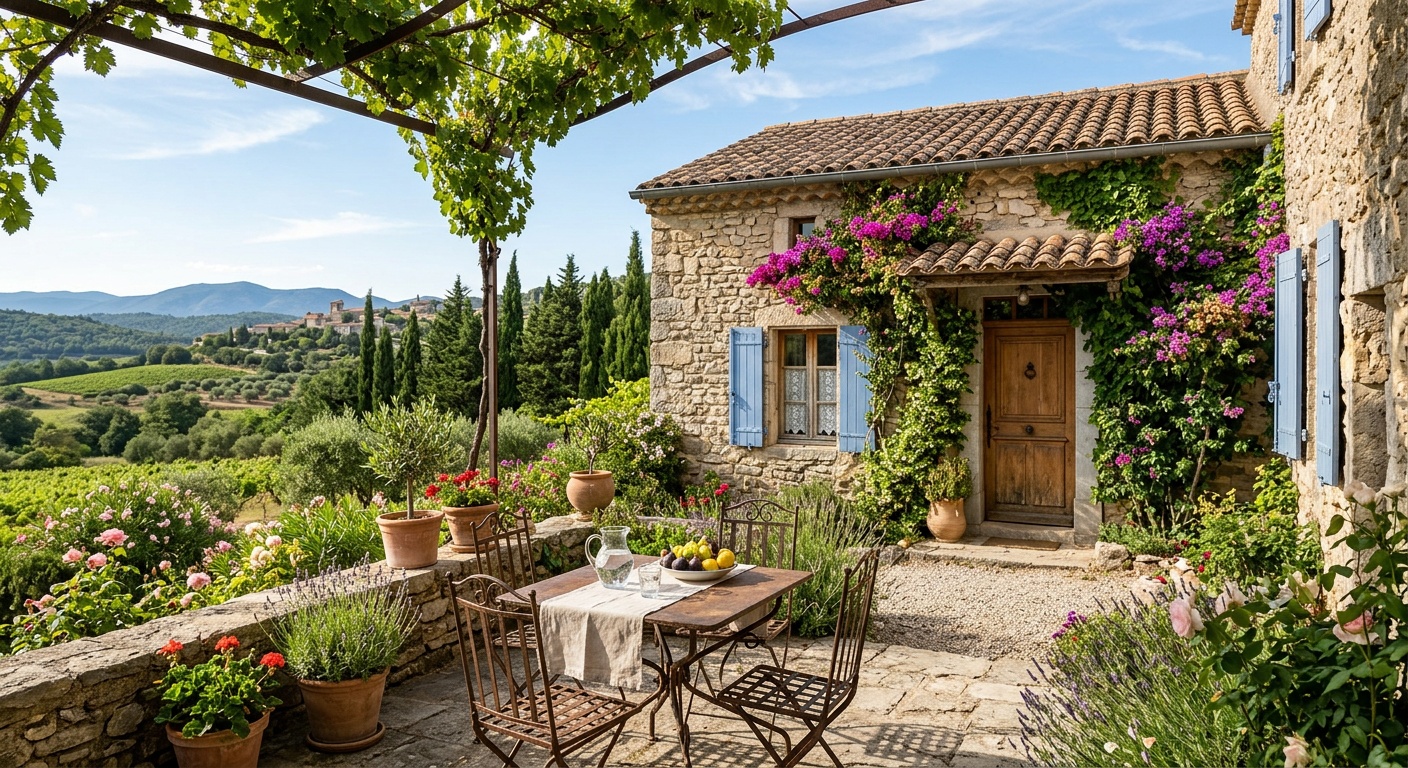
Picture this: You’ve finally decided to spend two glorious weeks in the Languedoc — that sun-drenched sweep of southern France stretching from Montpellier to Carcassonne, where medieval abbeys share the landscape with vineyards and wild garrigue. You open your laptop, and immediately you’re faced with a fork in the road. Do you book through a polished platform like Airbnb or Booking.com, or do you find a villa directly from the owner through a dedicated by-owner rental site?
It sounds like a simple choice. It isn’t. And whether you’re a traveller hunting for a sun-bleached mas near Béziers, or a Languedoc property owner wondering whether to list independently, this decision has real financial, practical, and experiential consequences that deserve serious examination.
In 2026, the short-term rental landscape in Languedoc has matured significantly. Regulatory changes rolled out across France in 2025 reshuffled the deck for both owners and guests. Booking platforms have tightened their commission structures. And a growing cohort of savvy travellers has discovered that going direct can save hundreds — sometimes thousands — of euros per booking. This guide gives you the full picture.
Table of Contents
- The Languedoc Rental Landscape in 2026
- How Major Booking Platforms Work — And What They Cost
- By-Owner Rentals: The Direct Booking Advantage
- Head-to-Head Comparison: Platforms vs. By Owner
- Common Challenges and How to Navigate Them
- Real-World Scenarios: Two Languedoc Stories
- Cost Impact Visualization
- For Property Owners: Choosing Your Strategy
- Frequently Asked Questions
- Your Smart Rental Roadmap: Next Steps
The Languedoc Rental Landscape in 2026
Languedoc — officially part of the Occitanie region — has become one of France’s most compelling holiday rental destinations, particularly for travellers seeking alternatives to the over-touristed Côte d’Azur. In 2026, the region draws visitors with its extraordinary diversity: Canal du Midi cycling routes, Cathar castles, medieval villages like Saint-Guilhem-le-Désert, and some of France’s most celebrated wine appellations, from Picpoul de Pinet to Fitou.
According to data from the Occitanie Tourism Board published in early 2026, the region recorded approximately 28 million overnight tourist stays in 2025, with short-term private rentals accounting for roughly 38% of all holiday accommodation — up from 31% in 2022. This growth has been fuelled partly by post-pandemic shifts in travel preferences, with larger groups and families increasingly favouring self-catering villas over hotels.
But 2025 also brought regulatory turbulence. France’s Loi Le Meur, which came into force in late 2024 and was fully enforced through 2025, imposed stricter controls on short-term rentals in many French municipalities. In Languedoc communes classified as “zones tendues” — areas with housing pressure — owners must now register properties formally, comply with energy performance requirements, and in some cases obtain authorisation to change a property’s usage designation. Platforms operating in France are legally required to verify these registrations before listings go live.
This regulatory context matters enormously when comparing platform rentals to by-owner arrangements, as we’ll explore throughout this article.
Why Languedoc Specifically Attracts the By-Owner Model
The by-owner rental tradition runs deep in Languedoc. For decades, British, Dutch, and Belgian second-home owners have rented their rural mas and village maisons de maître directly to travellers through classified ads, word of mouth, and dedicated listing sites. This tradition predates Airbnb by at least three decades.
The region’s property profile — often large, rural, and characterised by distinctive stone architecture — suits the by-owner model particularly well. A four-bedroom property with a pool in the Hérault countryside might rent for €2,800–€4,500 per week in peak summer 2026. At those price points, platform service fees (which can add 15–22% to the guest’s total cost) become very significant numbers indeed.
How Major Booking Platforms Work — And What They Cost
To make an informed comparison, you need to understand precisely how the major platforms operate in 2026 — because the fee structures have evolved substantially.
The Big Players Operating in Languedoc
Airbnb remains the dominant platform globally and has a strong Languedoc presence. As of 2026, Airbnb operates a split-fee model: hosts typically pay a 3% host service fee, while guests pay a service fee ranging from 14% to 16% of the booking subtotal. For high-value bookings, Airbnb’s “simplified pricing” option allows hosts to absorb all fees (around 14–17%) and bake them into the nightly rate — but guests still effectively pay this.
Vrbo (part of Expedia Group) charges hosts an annual subscription of approximately €499 or a per-booking commission of around 8%, plus a guest service fee of 6–12%. In practice, total platform costs on a Vrbo Languedoc booking typically add 12–18% to the base rental cost.
Booking.com, which expanded its private rental inventory significantly through 2024–2025, charges hosts a commission of 15–18% with no additional guest-facing fees — meaning costs are typically built into the displayed price but are still borne by the overall transaction.
Gîtes de France occupies an interesting middle ground — a French cooperative network that charges hosts 12–15% commission but provides quality labelling and a trusted national brand. It’s not quite “by owner” but has lower fees than Airbnb.
Beyond fees, platforms impose standardised cancellation policies, handle payments through escrow systems, and mediate disputes. These are genuine benefits — but they come at a cost that many travellers and hosts are now openly questioning.
Hidden Costs Beyond Commission
The stated commission percentages don’t tell the full story. Consider these additional platform-related costs:
- Dynamic pricing pressure: Platforms algorithmically suggest lower prices during off-peak periods, eroding owner revenue
- Cleaning fee opacity: Platforms display low nightly rates and reveal hefty cleaning fees only at checkout
- Payment delays: Hosts typically wait 24–48 hours after guest check-in before receiving payment
- Review system leverage: Both parties can feel coerced into positive reviews, distorting genuine quality signals
- Algorithm dependency: Owners who don’t continuously optimise their listings can see bookings drop dramatically
By-Owner Rentals: The Direct Booking Advantage
The by-owner model — where travellers book directly with property owners, bypassing intermediary platforms — has experienced a genuine renaissance since 2023. A 2025 survey by the European Holiday Home Association found that 41% of European travellers had made at least one direct booking in the past 12 months, up from 27% in 2021.
In Languedoc, the primary channels for by-owner bookings include:
- Owner-operated websites: Many experienced hosts maintain their own booking sites, often using tools like Lodgify, Hostfully, or simple WordPress setups
- Specialist by-owner directories: Sites like Owners Direct (now folded into Vrbo but with legacy direct contact features), Holiday Lettings, and French-specific platforms like Abritel and PAP Vacances
- Social media and Facebook groups: Regional groups dedicated to Languedoc rentals have grown substantially
- Referral networks: Word-of-mouth among previous guests remains one of the most powerful channels
The Financial Case for Going Direct
Let’s be specific with numbers. Consider a typical Languedoc villa — four bedrooms, private pool, near Pézenas — renting for a base rate of €3,200 per week in July 2026.
Via Airbnb, the guest would likely pay €3,200 + a 15% service fee = approximately €3,680. The owner receives €3,200 minus a 3% host fee = €3,104. Total platform extraction: roughly €576.
Via direct booking, the guest pays €3,200 (or often €2,900–€3,000 as owners pass on savings). The owner receives the full amount minus only a small payment processing fee (typically 1.5–2.5% for Stripe or similar). Total platform extraction: approximately €48–€80.
The difference — up to €500+ per booking — represents real money for both parties. For a guest booking two weeks, that could mean the difference between affording an extra excursion to the Gorges du Tarn or watching the budget carefully all holiday.
The Trust and Relationship Factor
Beyond finances, by-owner rentals offer something platforms structurally cannot: a genuine human relationship. When you book directly, you speak with the person who owns the house. They know which supermarket in the local village has the best cheese, which weeks the lavender is at its most spectacular, and why the pool pump makes a noise on Tuesday mornings that’s perfectly normal.
This local intelligence is genuinely invaluable — and owners who build relationships with returning guests create a loyal guest base that platforms cannot easily disrupt. Many experienced Languedoc owners report that 50–70% of their bookings come from returning guests or referrals, making them largely independent of platform algorithms.
Head-to-Head Comparison: Platforms vs. By Owner
| Metric | Major Platforms (Airbnb/Vrbo) | By Owner / Direct Booking |
|---|---|---|
| Total Cost to Guest | Base rate + 14–16% service fee | Base rate only (often negotiable) |
| Owner Net Revenue | Base rate minus 3–18% host fee | Full rate minus ~2% payment processing |
| Booking Security / Trust | Platform guarantee, verified reviews | Owner reputation, contracts, references |
| Flexibility & Customisation | Standardised, platform-controlled | Highly flexible, bespoke arrangements |
| Discovery / Marketing Reach | Massive global audience, SEO advantage | Limited unless owner markets actively |
Common Challenges and How to Navigate Them
Every approach has its friction points. Here are the three most common challenges — and the straight-talk strategies for overcoming them.
Challenge 1: Trust and Security in Direct Bookings
The most cited concern about by-owner bookings is: “How do I know this property is real and the owner is legitimate?” It’s a valid question — holiday rental scams, though relatively rare in established Languedoc markets, do exist.
How to navigate it:
- Always verify the owner’s identity through video call before paying any deposit
- Use secure payment methods — bank transfer to a verified French account, or a service like PayPal Goods & Services or Stripe that offers buyer protection
- Request a formal rental contract (in France, a contrat de location saisonnière) before sending any money
- Cross-reference the property on Google Maps Street View and check if the address matches owner descriptions
- Ask for references from previous guests — legitimate owners are delighted to provide them
Pro Tip: In 2026, France requires all short-term rental properties to display a registration number. Ask the owner for their SIRET or commune registration number and verify it at the official French business registry (infogreffe.fr). This one step eliminates most scam risk.
Challenge 2: For Owners — The Discovery Problem
The platform’s biggest genuine advantage is audience. Airbnb has over 150 million active users globally. A newly listed Languedoc mas on Airbnb can receive its first enquiry within hours. Building equivalent visibility as a by-owner operator takes time, investment, and strategy.
How to navigate it:
- Build a simple, well-photographed owner website — professional photography pays back within one extra direct booking
- List on multiple free or low-cost directories simultaneously (PAP Vacances, HomeToGo, direct listing on regional tourism boards)
- Use platforms strategically for early-stage discovery, then migrate repeat guests to direct bookings
- Invest in basic SEO — a blog post titled “Languedoc Farmhouse with Pool Near Béziers” costs nothing but can drive organic traffic for years
Challenge 3: Regulatory Compliance for Owners
Since France’s Loi Le Meur came into full effect, non-compliance carries real penalties. In 2025, French municipalities began issuing fines ranging from €5,000 to €50,000 for unlicensed short-term rentals in regulated zones. Both platforms and by-owner operators must comply.
How to navigate it:
- Register your property at the mairie (town hall) — most communes in Languedoc now process this digitally
- Check whether your commune has a quota system limiting short-term rental authorisations
- Ensure your property meets the minimum DPE (energy performance) rating — from 2025, F and G-rated properties face additional restrictions
- Consult a local notaire or rental specialist — the €200–€400 consultation fee is trivial against potential fines
Real-World Scenarios: Two Languedoc Stories
The Traveller’s Perspective: Sarah and the Hérault Farmhouse
In July 2025, Sarah — a teacher from Bristol travelling with her partner and two teenagers — spent six hours on Airbnb searching for a Languedoc villa. She found a beautiful mas near Montagnac listed at €280/night. The total Airbnb checkout price for two weeks: €4,312, including a €480 cleaning fee and €532 service fee.
On a whim, she Googled the property name and found the owner’s own website. The same property, same dates: €3,600 for two weeks, with cleaning included. She messaged the owner, had a warm video call within 24 hours, received a formal contract, paid via bank transfer, and saved €712. That saving funded a four-day family excursion along the Canal du Midi. Sarah’s now a returning guest — she’s already booked for August 2026, again directly.
The Owner’s Perspective: Jean-Pierre’s Strategic Evolution
Jean-Pierre, a retired engineer from Montpellier who owns a restored farmhouse near Clermont-l’Hérault, started listing on Airbnb in 2018. By 2023, he was frustrated: the algorithm deprioritised his listing whenever he declined a booking, the service fees were deterring some guests, and Airbnb’s customer service had become impersonal.
In early 2024, he built a basic website (cost: €350), created a Facebook page, and asked all his returning guests to refer directly. By summer 2025, 65% of his bookings were direct, his annual net rental income had increased by approximately €4,200 despite keeping prices the same, and he’d built a community of loyal guests who actively recommended his property. He keeps two weeks on Airbnb in shoulder season purely for discovery, then migrates new guests to his direct channel.
Cost Impact Visualization: Where Does Your Money Go?
The chart below illustrates the percentage of a €3,000/week booking that actually reaches the owner under different booking models in 2026.
Owner Net Revenue as % of €3,000 Base Booking (2026)
*Airbnb’s split-fee model preserves most owner revenue but adds ~15% cost to guest. True all-inclusive comparison requires adding guest fees to assess total transaction cost.
For Property Owners: Choosing Your Strategy
If you own a holiday property in Languedoc, the decision isn’t binary. The most successful Languedoc rental owners in 2026 use a hybrid channel strategy that evolves over time.
Stage 1 (Years 1–2): Platform-first for discovery. List on 2–3 platforms simultaneously, focus on generating reviews, and build your guest database. Always include your direct contact information in guest communications (where platforms permit).
Stage 2 (Years 2–4): Build your direct channel. Invest in a simple website, create a guest email list, and offer returning guests a direct booking discount of 8–12% (which still leaves you better off than paying platform commission). Use tools like Lodgify or Smoobu to manage calendars across channels without double bookings.
Stage 3 (Year 4+): Direct-first with selective platform presence. Keep one or two platform listings active for shoulder-season inventory and new-guest discovery, but prioritise direct bookings for peak weeks. At this stage, many owners report earning 15–25% more annually than when fully platform-dependent.
Key Action: Ensure your French rental registration (numéro d’enregistrement) is current and displayed on all listings — platforms and direct channels alike. The legal landscape in 2026 shows no sign of becoming more permissive, and compliance is genuinely non-negotiable.
Frequently Asked Questions
Is it safe to pay a Languedoc property owner directly without platform protection?
Direct payments are safe when you follow the right protocols. Always obtain a formal contrat de location saisonnière before paying anything. Use bank transfer to a verified French IBAN account (IBAN numbers are traceable and fraud-resistant), or use Stripe/PayPal Goods & Services for added buyer protection. In 2026, all legitimate French short-term rental properties must hold a registration number from their commune — request this and verify it through official French government databases. Video-call the owner, verify the property on mapping tools, and ask for references from past guests. These steps, taken together, make direct booking as secure as any platform arrangement.
Can Languedoc property owners legally rent without listing on any platform?
Absolutely — and many do with great success. French law does not require owners to use booking platforms. What it does require (under the Loi Le Meur as enforced from 2025 onwards) is formal registration with the commune for all short-term rentals, tax declaration of rental income, and compliance with energy performance standards. Some communes in “zones tendues” require authorisation to change a property’s usage designation if it was previously a primary residence. Beyond these legal requirements, owners can market and rent their properties through any channel they choose — their own website, social media, word of mouth, or specialist directory sites. The key obligations are regulatory compliance and proper tax reporting, which apply equally to platform and direct rentals.
As a guest, how do I find by-owner Languedoc rentals in 2026?
Several effective routes exist in 2026. Start with specialist directories: PAP Vacances (the French classifieds leader for private rentals), HomeToGo (which aggregates direct and platform listings), and regional tourism websites operated by the Hérault, Gard, Aude, and Pyrénées-Orientales departments often feature owner-listed properties. Facebook Groups dedicated to specific Languedoc areas frequently have owners advertising directly. If you find a property on a platform, Google the property name and description — owners who have direct booking sites often appear in search results. Travel forums like TripAdvisor and specialist Languedoc travel communities on Reddit can also yield personal recommendations and direct contacts. Don’t be shy about asking — most owners are genuinely pleased to establish direct relationships with guests.
Your Smart Rental Roadmap: Making the Right Choice for Your Languedoc Experience
The by-owner versus platforms debate isn’t about ideology — it’s about making decisions that serve your actual interests. Here’s your action-oriented roadmap for navigating this landscape in 2026:
- Define your priorities first. If maximum convenience and zero relationship management appeals to you (as a guest) or your property is new to market (as an owner), platforms offer genuine value. If savings and personalised experience matter most, direct booking is worth the extra fifteen minutes of verification work.
- Always verify compliance. Whether booking through a platform or directly, confirm the property’s French registration number. This protects both parties and ensures you’re dealing with a legitimate, regulated rental.
- Do the maths on your specific booking. Take the platform’s total checkout price and compare it with a direct quote from the owner. On a week-long Languedoc villa rental in 2026, you’ll often find a €300–€700 gap that’s worth a quick conversation.
- For owners: start building your direct channel now. Every platform algorithm change, commission increase, or regulatory requirement is a reminder that depending entirely on third-party platforms is a strategic vulnerability. Your guest relationships are your most valuable business asset.
- Embrace the hybrid model. The smartest approach for most Languedoc owners in 2026 isn’t choosing between platforms and direct booking — it’s using both strategically, with platforms as a discovery tool and direct booking as the long-term relationship model.
The broader trend is clear: as travellers become more sophisticated and owners more digitally capable, the proportion of direct bookings in markets like Languedoc will continue to grow. Platforms will respond by adding more value — or by competing more aggressively on fees. Either way, knowing your options puts you in the stronger position.
Whether you’re planning your perfect Languedoc summer or maximising returns on a beloved mas in the Hérault hills, the question worth sitting with is this: how much of your holiday value — time, money, and authentic connection — are you prepared to let a platform algorithm decide?