Best Holiday House Rentals in Languedoc France for 2026
Reading time: 14 minutes
Picture this: you wake up to the smell of lavender drifting through wooden shutters, a glass of local Picpoul de Pinet chilling in the kitchen, and nothing on the agenda except deciding whether to spend the morning at a medieval village market or an ancient Roman amphitheatre. That’s the Languedoc promise — and in 2026, it’s more accessible, more diverse, and frankly more compelling than ever.
Languedoc, now officially part of the broader Occitanie administrative region, remains one of France’s best-kept holiday secrets. While tourists flock to Provence and the Côte d’Azur, savvy travellers have been quietly discovering this sun-drenched corridor between the Pyrenees and the Mediterranean. Holiday house rentals here offer something the overcrowded hotspots simply cannot: genuine immersion, generous space, and outstanding value.
But with hundreds of listings across platforms, choosing the right rental in the right village for the right budget can feel overwhelming. This guide cuts through the noise, region by region, platform by platform, tip by tip.
Table of Contents
- Why Languedoc in 2026?
- Top Areas for Holiday House Rentals
- Best Platforms & Booking Strategies
- Types of Holiday Properties
- Area Comparison Table
- Rental Popularity by Region (2026 Data)
- Common Challenges & How to Solve Them
- Real Traveller Experiences
- Practical Tips for Securing the Best Rental
- Frequently Asked Questions
- Your Languedoc Adventure Roadmap
Why Languedoc in 2026?
Languedoc has quietly undergone a travel renaissance. According to the Occitanie Tourism Board’s 2025 Annual Report, the region welcomed approximately 28 million overnight visitors in 2025, a figure projected to rise by 6% in 2026 — yet it still receives a fraction of the media attention given to Provence or Paris. That gap between quality and hype is your opportunity.
In 2026, several factors are making holiday house rentals in Languedoc particularly attractive:
- Value for money: Average rental prices in Languedoc remain 25–40% lower than comparable properties in Provence or the Riviera, according to 2026 data from Airbnb’s French market analytics.
- Improved connectivity: The TGV extension completed in late 2025 now puts Montpellier just 3 hours 10 minutes from Paris, and Nîmes under 3 hours — making fly-drive or train-drive combinations easier than ever.
- Climate advantage: With over 300 days of sunshine annually, the region offers a longer shoulder season than most French destinations, making spring and autumn bookings increasingly popular.
- Cultural richness: From the UNESCO-listed Canal du Midi to the Pont du Gard, Carcassonne, and the Camargue, Languedoc packs extraordinary heritage into a compact, driveable area.
- Wine tourism growth: Languedoc is now France’s largest wine-producing region by volume. In 2026, agritourism rentals — gîtes and farmhouses on working vineyards — have surged in popularity by 18% compared to 2024.
Well, here’s the straight talk: Languedoc isn’t a compromise destination. It’s a first-choice destination for travellers who’ve done their research.
Top Areas for Holiday House Rentals
Languedoc is vast — stretching from the Rhône delta in the east to the Spanish border in the west, and from the Mediterranean coast up into the rugged Cévennes mountains. Knowing which pocket suits your style is the first critical decision.
The Hérault Heartland: Montpellier to Pézenas
The Hérault department is the beating cultural heart of modern Languedoc. Montpellier itself is less a holiday rental destination and more a gateway city, but the villages surrounding it — Pézenas, Lodève, Clermont-l’Hérault, and the lake town of Palavas-les-Flots — offer superb rental options.
Pézenas deserves special mention. This “Versailles of Languedoc” is a perfectly preserved baroque town with a thriving artisan scene. In 2026, a three-bedroom maison de ville in Pézenas typically rents for between €1,200 and €2,400 per week in peak summer, with shoulder season rates (May–June, September–October) falling to €750–€1,400. The town’s antique markets, theatre festivals, and exceptional restaurants make it an ideal base for culture-seekers.
For beach access, the Bassin de Thau area — stretching between Sète and Agde — offers holiday homes with lagoon views, easy access to oyster farms, and the quirky, working-port vibe of Sète, which writer Paul Valéry called “the singular island.”
The Gard: Roman Grandeur and Garrigue Landscapes
The Gard department, anchored by Nîmes in the west and the Pont du Gard in the centre, offers some of Languedoc’s most atmospheric rural rentals. The garrigue — that aromatic scrubland of rosemary, thyme, and cistus — defines the landscape here, and mas (traditional farmhouses) are the quintessential property type.
Villages like Uzès (often called the “first duchy of France”), Saint-Quentin-la-Poterie, and Sommières attract a sophisticated rental market. Uzès in particular has seen a 22% increase in premium villa bookings in 2025–2026, driven partly by remote workers extending holidays into month-long stays. A four-bedroom mas with pool near Uzès averages €3,500–€5,500 per week in July and August.
Budget-conscious travellers should explore the northern Gard, around Alès and the Cévennes gateway towns — where charming stone houses rent for as little as €600–€900 per week even in peak season, with hiking, kayaking on the Ardèche, and artisan markets on the doorstep.
Aude: Cathar Country and Canal Villages
The Aude is arguably Languedoc’s most cinematically dramatic department. Carcassonne’s medieval citadel needs no introduction, but the real magic for holiday rental seekers lies in the villages of the Pays Cathare and along the Canal du Midi.
Towns like Lagrasse (named one of France’s “Plus Beaux Villages”), Mirepoix, and Limoux offer characterful village houses at exceptional prices. A fully restored stone village house in Lagrasse with three bedrooms averages just €900–€1,600 per week in summer 2026 — representing arguably the best value cultural-immersion rental in France.
Canal du Midi corridor rentals — especially around Castelnaudary and Narbonne — have become increasingly popular for cycling holidays. Many rental properties here now specifically cater to cyclists, with secure bike storage, repair kits, and curated route maps.
Pyrénées-Orientales: Where Mountains Meet Sea
The southernmost department, centred on Perpignan, is the most climatically extreme part of Languedoc. The Tramontane wind keeps summers hot but bearable, and the combination of Catalan culture, Pyrenean foothills, and the rocky Côte Vermeille coastline creates an unusually varied holiday rental landscape.
Collioure — the jewel-bright harbour town that inspired Matisse and Derain — is the premium rental destination here, with prices to match: a two-bedroom apartment with sea views can command €2,800–€4,200 per week in August. For more space and value, the Fenouillèdes valley and the villages around Céret offer beautiful stone farmhouses at €1,100–€2,200 per week.
Best Platforms & Booking Strategies
In 2026, the holiday rental platform landscape has consolidated somewhat, but meaningful differences remain between your options for Languedoc specifically.
Airbnb
Still the dominant platform for urban-adjacent and coastal rentals. Strong inventory around Montpellier, Nîmes, and Perpignan. The introduction of Airbnb’s Verified Host certification in early 2025 has improved quality consistency. Best for flexible dates and last-minute bookings, though service fees (now averaging 14–16% for guests) add up on longer stays.
Vrbo (Formerly HomeAway)
Excellent for larger family properties — villas with pools, mas with multiple bedrooms. Vrbo’s inventory in Languedoc skews toward higher-end rural properties. Lower service fees than Airbnb for weekly bookings. Strong filter tools for amenities like pool, air conditioning, and pet-friendliness.
Gîtes de France
The gold standard for authentic French rural accommodation. Gîtes de France properties are independently inspected and classified (1–5 épis/ears of wheat). In 2026, their Languedoc inventory includes over 3,200 classified gîtes across Hérault, Gard, Aude, and Pyrénées-Orientales. Booking directly through their platform avoids third-party fees and often allows direct host communication, which can unlock off-catalogue deals for longer stays.
Clévacances & Local Agencies
Clévacances is Gîtes de France’s slightly more urban-focused competitor. For truly hyper-local inventory — especially in smaller Aude and Hérault villages — boutique agencies like Languedoc Living, Select France, and French Connections maintain curated portfolios that rarely appear on the major platforms. These agencies often provide concierge-style support: market recommendations, wine tour bookings, chef arrangements.
Pro Tip: For peak summer 2026 (July 1 – August 31), the best properties in Uzès, Collioure, and the Canal du Midi corridor were already heavily booked by February 2026. If you’re planning a late-2026 or 2027 summer holiday, start searching now. Set calendar alerts on Vrbo and Gîtes de France for your target dates.
Types of Holiday Properties
Understanding property types helps you match expectations to reality before you book.
- Gîte: The classic French self-catering holiday home. Can be anything from a converted barn to a standalone village house. Usually rented Saturday to Saturday. Often part of a farm or larger estate where the owners also live.
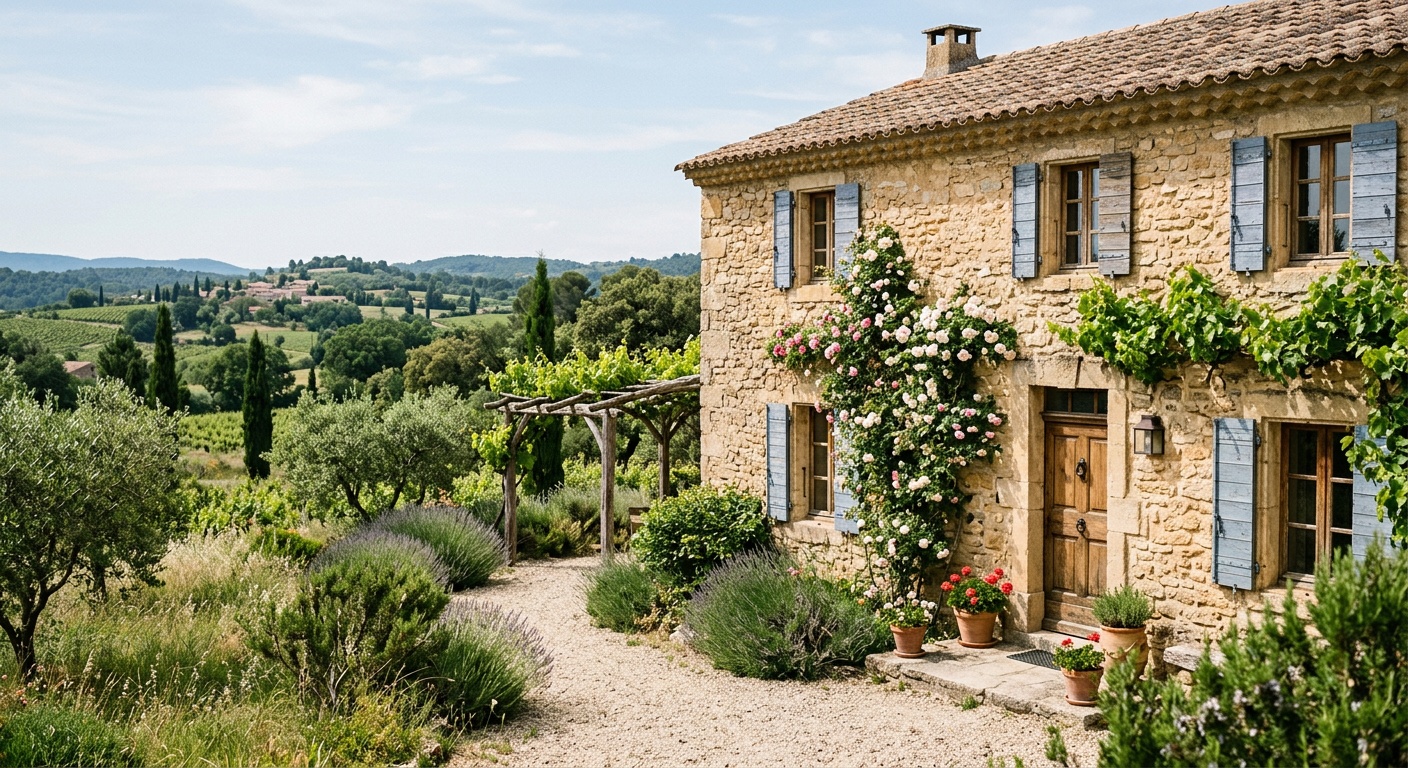
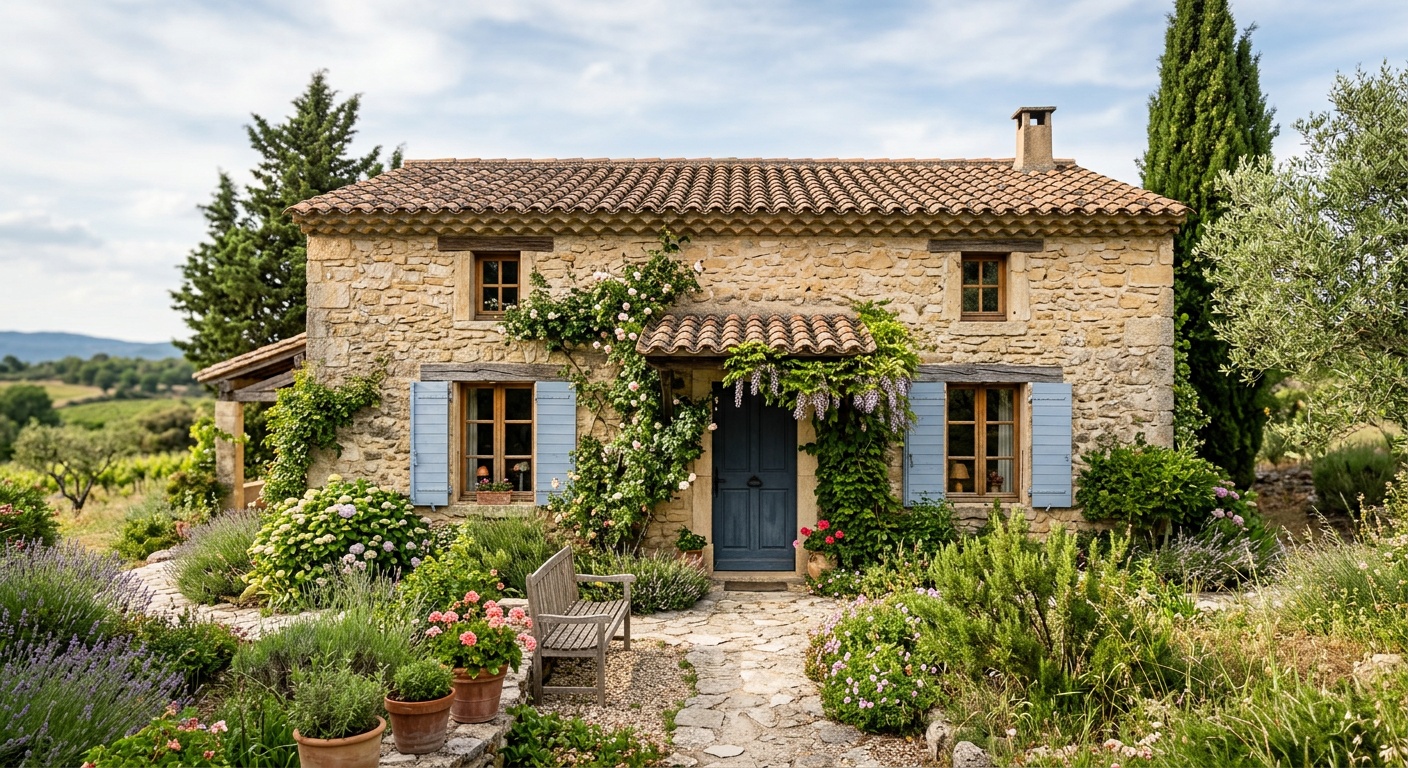
- Mas: A traditional Provençal or Languedocien farmhouse, typically stone-built with thick walls (naturally cool in summer), terracotta floors, and shuttered windows. Often comes with significant outdoor space.
- Villa: The modern, purpose-built or renovated holiday property — usually featuring a private pool, contemporary interiors, and high-spec amenities. Premium pricing, but excellent for larger groups.
- Maison de Village: A town house within a village — typically terraced, with a courtyard or roof terrace rather than a garden. Ideal for walkers, cyclists, and those who want to be immersed in local life.
- Domaine/Château Rental: For special occasions or larger groups, several wine estates and châteaux in Languedoc offer exclusive-use rental of the entire property. These are exceptional but require lead times of 6–12 months.
Area Comparison Table
| Area | Avg. Weekly Rental (Peak) | Best For | Nearest Airport | Value Rating |
|---|---|---|---|---|
| Pézenas / Hérault | €1,200 – €2,500 | Culture, markets, wine | Montpellier (45 min) | ⭐⭐⭐⭐⭐ |
| Uzès / Gard | €2,500 – €5,500 | Luxury, gastronomy | Nîmes (35 min) | ⭐⭐⭐ |
| Lagrasse / Aude | €900 – €1,800 | History, hiking, value | Carcassonne (40 min) | ⭐⭐⭐⭐⭐ |
| Collioure / Pyrénées-Or. | €2,800 – €4,500 | Coastal, art, Catalan culture | Perpignan (30 min) | ⭐⭐⭐ |
| Cévennes (Northern Gard) | €600 – €1,100 | Nature, walking, budget | Nîmes (1hr 15 min) | ⭐⭐⭐⭐⭐ |
Rental Popularity by Region in Languedoc (2026 Data)
Based on booking volume data aggregated across major platforms in Q1–Q2 2026:
* Percentage reflects relative platform search-to-booking conversion rates; Cévennes low rate reflects lower listing volume, not lower satisfaction.
Common Challenges & How to Solve Them
Challenge 1: Navigating Peak-Season Scarcity
The single biggest frustration for first-time Languedoc renters is discovering that the most desirable properties — a farmhouse near Uzès with a pool, or a sea-view cottage in Collioure — are booked solid from late June through August by the time most people start planning. In 2026, peak-season availability for premium properties tightened even further, driven partly by increased UK and German visitor numbers following improved rail connections.
How to solve it:
- Book 9–12 months ahead for August; 6–8 months for July. Set reminder alerts in November/December for the following summer.
- Pivot to the shoulder season. Late May, June, and September in Languedoc are genuinely spectacular — temperatures in the mid-to-high 20s Celsius, far fewer crowds, lower prices, and better availability at the same quality properties.
- Use Gîtes de France’s “Last Minute” filter, which surfaces cancellations within 8 weeks of arrival. Genuine bargains appear here regularly for flexible travellers.
Challenge 2: Mismatched Expectations on Rural Properties
Languedoc’s charmingly rustic stone houses are beautiful in photographs but occasionally challenging in reality. Air conditioning is less universal than in coastal Provence; some “pools” are plunge pools rather than full swimming pools; Wi-Fi in remote Cévennes valleys can still be unreliable in 2026. The gap between listing description and lived experience is one of the most common complaint drivers in platform reviews.
How to solve it:
- Read reviews critically and chronologically — look for reviews from the same season as your intended visit.
- Message hosts directly before booking. Ask specific questions: “Is the air conditioning in all bedrooms or just the living room?” “What is the actual pool size?” “What speed is the Wi-Fi?” A responsive, detailed host reply is itself a quality signal.
- Prioritise Gîtes de France classified properties (3 épis minimum) or Vrbo’s “Premier Host” designation for verified quality standards.
- Check whether the listing states climatisation (air con) explicitly — essential for July and August in the lower Languedoc valleys.
Challenge 3: Hidden Costs and Fee Structures
Travellers accustomed to hotel pricing are sometimes surprised by the add-on costs of holiday house rentals: cleaning fees, tourist tax (taxe de séjour), linen charges, and pool heating supplements can add 15–30% to the headline rental price. In 2026, France’s tourist tax rates increased by an average of 12% across most Languedoc municipalities, following national legislation from 2025.
How to solve it:
- Always check the “total price” view on platforms before shortlisting — Airbnb and Vrbo both now default to showing this, but confirm before comparing properties.
- Linen charges are often waivable or reducible for longer stays — ask the host.
- Pool heating in May and early June adds roughly €80–€150 per week to rental costs in the Gard and Hérault. Worth it for those early shoulder-season swims.
- Book 7-night minimum stays wherever possible — these almost always have lower per-night rates and often reduced or waived cleaning fees.
Real Traveller Experiences: Two Case Studies
Case Study 1: The Harris Family — Lagrasse, Aude (July 2025)
The Harris family — two adults, three children aged 8–14 — spent two weeks in a restored stone house in Lagrasse in July 2025, booking through a boutique agency. They paid €1,750 per week for a four-bedroom property with a courtyard garden and rooftop terrace. “We’d looked at Provence and the prices were frightening for what we’d get,” said Sarah Harris. “Lagrasse gave us everything — a medieval abbey to explore, morning markets, a river to swim in, and the most extraordinary food. The village baker made us laugh every morning with his terrible English. The kids didn’t look at their phones all fortnight.”
Total holiday cost for two weeks, including flights to Carcassonne from Bristol (via Ryanair), car hire, and food: approximately £4,800 — comparable to a week in an equivalent property in the Luberon.
Case Study 2: Remote Workers’ Month — Uzès, Gard (September–October 2025)
A London-based couple — both working remotely in digital marketing — took a month-long rental near Uzès in autumn 2025 through Vrbo. They found a two-bedroom mas with a pool and fast fibre broadband for €3,200 per month (negotiated down from a nightly rate that would have totalled €4,900). “We worked until 1pm, then had the entire afternoon and evening in one of the most beautiful landscapes in Europe,” said Tom, one of the renters. “The truffle markets started in October. We came back to London lighter, healthier, and genuinely recharged. We’re doing it again in 2026 but for six weeks.”
This pattern — extended “workcation” rentals in shoulder season — is one of the fastest-growing segments of the Languedoc rental market in 2026, with Uzès and Pézenas emerging as the primary beneficiaries due to their strong digital infrastructure and cultural amenity mix.
Practical Tips for Securing the Best Rental
Here’s a focused action checklist for anyone planning a Languedoc holiday house rental in 2026:
- Define your priority triangle: Location (coast vs. inland vs. mountain foothills), amenities (pool, air con, Wi-Fi speed), and budget. Be honest about which two of three you’re optimising for — it’s rarely possible to max all three without a very high budget.
- Use multiple platforms simultaneously: The same property may be cheaper direct through Gîtes de France than on Airbnb once fees are factored in. Always check the host’s own website — many offer direct booking discounts of 8–15%.
- Invest in travel insurance: France’s holiday rental market has specific cancellation complexities. In 2026, ensure your policy covers rental deposit loss for reasons including natural events — the Hérault experienced significant flash flooding in autumn 2025, and climate volatility is an increasing factor.
- Learn basic French rental terminology: Climatisation (air conditioning), piscine chauffée (heated pool), lave-vaisselle (dishwasher), draps fournis (linen provided), animaux acceptés (pets welcome). Small vocabulary, big impact on accurate searching.
- Check local event calendars: The Feria de Nîmes (June), the Montpellier Dance Festival (June–July), the Carcassonne Festival (July), and the Sète Sailor’s Festival (Escale à Sète, March) all cause regional accommodation spikes. Either time your visit around these events or specifically book to coincide with them — they’re genuinely spectacular.
- Consider a split location strategy: Languedoc is compact enough that a base in Pézenas gives you the coast (30 minutes), the Canal du Midi (40 minutes), the Hérault Gorge (1 hour), and Montpellier (45 minutes) all within easy day-trip range. One great rental beats two mediocre ones.
Frequently Asked Questions
When is the best time to book a holiday house rental in Languedoc for peak season?
For July and August, the most sought-after properties — typically villas with pools in the Gard, coastal cottages in the Pyrénées-Orientales, and character mas in the Hérault — are booked up to 12 months in advance. For a summer 2026 visit, late availability still exists, but your best strategy for summer 2027 is to begin searching in autumn 2026. September and early October remain genuinely excellent alternatives: temperatures average 24–27°C, crowds thin dramatically, vendange (grape harvest) season adds extraordinary atmosphere, and rental prices can be 20–35% lower than August peaks.
Do I need a car to make the most of a Languedoc holiday rental?
For rural and village rentals — which represent the majority of the most characterful properties — yes, a car is strongly recommended. Public transport in rural Languedoc is limited, and much of the region’s appeal lies in the spontaneous discovery of unmarked lanes, vineyard roads, and hillside villages that simply aren’t accessible by bus or train. However, if your rental is within Montpellier, Nîmes, or Perpignan city areas, or directly on the Canal du Midi (where cycling is the primary mode of exploration), you can feasibly manage without a car. Car hire at Montpellier, Nîmes, and Carcassonne airports remains competitively priced in 2026 — book early for the best rates.
What are the key things to check before confirming a Languedoc holiday rental booking?
Five essentials: 1) Confirm the total price including cleaning fees, tourist tax, and any linen or pool heating supplements before comparing properties. 2) Verify air conditioning provision — this is non-negotiable for July and August in the low-lying Hérault and Gard areas. 3) Check the cancellation policy carefully, particularly for high-deposit bookings made months in advance. 4) Read at least 10 recent reviews, prioritising those from the same season as your intended visit. 5) Confirm check-in and check-out logistics — many rural gîtes operate key-exchange systems where the host meets you, and arrival after 7pm can be complicated without prior arrangement. A quick message to the host before booking resolves all of these and gives you a strong sense of their responsiveness and care.
Your Languedoc Adventure Roadmap: Where to Go From Here
Languedoc is not a destination that rewards passive planning. The travellers who have the best experiences here — who stumble into a village fête, who get invited to a vineyard tasting by their gîte owner’s cousin, who discover that the unmarked swimming hole down the track from their mas is the most beautiful thing they’ve ever seen — are those who prepared smartly and stayed open to the unexpected.
Here’s your concrete action plan for making the most of Languedoc holiday rentals in 2026:
- Decide your dates and priority zone (this week): Use the area comparison table above to identify whether Hérault, Gard, Aude, or Pyrénées-Orientales best matches your travel style and budget. Be honest about whether you need beach access or whether inland immersion is your priority.
- Set up search alerts across Gîtes de France, Vrbo, and one boutique agency (within 7 days): The best properties move fast. Alerts give you first-mover advantage without requiring daily manual searches.
- Contact 2–3 hosts directly before booking (before committing any deposit): A five-minute investment that dramatically reduces the risk of mismatched expectations and often unlocks better terms.
- Build your local research file: Save the websites of three local markets, two vineyard visit options, and one outdoor activity (kayaking on the Hérault, cycling the Canal du Midi, hiking the Cévennes GR trails) near your target rental area. Arriving with this research transforms a good holiday into a great one.
- Book and commit: The paralysis of endless comparison is real. Once you’ve verified the key checklist items above, trust the decision and book. Languedoc rewards the traveller who arrives.
The broader trend is clear: as mainstream French destinations become increasingly expensive and crowded, Languedoc’s combination of heritage, gastronomy, climate, and value positions it as the smart traveller’s choice for the late 2020s. Early adopters of this region — particularly those exploring the Aude and the northern Gard — are effectively discovering a France that most of the world hasn’t found yet.
So here’s the question worth sitting with: What kind of holiday are you actually looking for? If the answer involves space, flavour, history, and the particular pleasure of feeling genuinely away — Languedoc has a stone house, a vine-shaded terrace, and a glass of Faugères waiting for you.