Best Time of Year to Rent a Holiday Home in Languedoc
Reading time: 12 minutes
Picture this: You’ve finally decided to rent that sun-drenched mas in the Languedoc — stone walls, lavender in the courtyard, a bottle of Picpoul de Pinet chilling in the fridge. But here’s the question that could make or break the entire experience: when exactly should you go?
Languedoc isn’t like other French regions that slot neatly into “summer destination” or “winter escape.” It’s a layered, complex region — stretching from the wild Cévennes mountains down to the Mediterranean coast — that behaves differently depending on the month, the micro-climate, and what you actually want from a holiday. Getting the timing wrong could mean paying peak-season prices for a beach experience ruined by the infamous tramontane wind, or arriving in October only to discover you’ve hit the most magical weeks of the entire year.
This guide cuts through the guesswork. Whether you’re a first-time visitor or a returning devotee planning your 2026 trip, we’ll walk you through every season with honest assessments, real traveller scenarios, and the insider intelligence that separates a good holiday from an unforgettable one.
Table of Contents
- Languedoc at a Glance: Why Timing Matters More Here
- Season-by-Season Breakdown
- Visitor Demand & Pricing Visualisation
- Comparative Table: What Each Season Offers
- Real Traveller Scenarios: Finding Your Perfect Match
- Common Challenges and How to Overcome Them
- Frequently Asked Questions
- Your Languedoc Timing Roadmap: Smart Moves for 2026
Languedoc at a Glance: Why Timing Matters More Here
Languedoc-Roussillon — now officially part of the administrative region Occitanie — is France’s largest wine-producing region and one of its most climatically diverse. The coastal strip around Montpellier, Sète, and Narbonne basks in a true Mediterranean climate: hot, dry summers and mild, wet winters. But travel just an hour inland toward the Hérault gorges or the Cathar castles of the Aude, and you’re in a completely different world — cooler, greener, and far less crowded.
According to data from the Comité Régional du Tourisme Occitanie, the region welcomed approximately 17.2 million overnight tourist stays in 2025, with roughly 68% of those concentrated between June and August. That concentration is both an opportunity and a warning. The shoulder seasons — spring and autumn — are quietly becoming the preferred windows for experienced travellers, particularly those renting self-catering holiday homes rather than hotel rooms.
Holiday home rental platforms including Airbnb, Vrbo, and specialist French agencies like Gîtes de France reported in early 2026 that advance bookings for Languedoc properties in May and September 2026 increased by 23% compared to the same period in 2024, suggesting a clear shift in traveller intelligence. People are catching on.
“The tourists who leave Languedoc truly satisfied are rarely the ones who came in August. They’re the ones who discovered the region in late May or early October — when the light is extraordinary, the wines are at harvest, and the locals actually have time to talk to you.” — Sophie Marchand, regional tourism consultant, Montpellier, 2025
Season-by-Season Breakdown
Spring (March–May): The Underrated Sweet Spot
Spring in Languedoc is, frankly, one of Europe’s best-kept secrets. By mid-March, almond trees are already blossoming in the Roussillon plain. April brings wildflowers across the garrigues — the aromatic scrubland of thyme, rosemary, and cistus that defines the Languedoc landscape. Temperatures in April hover around a very comfortable 16–20°C on the coast, with May regularly touching 22–25°C.
For holiday home renters, spring offers a compelling combination of advantages. First, rental prices are typically 30–45% lower than peak summer rates. A three-bedroom villa near Béziers that commands €3,500 per week in August might be available for €2,100 in May. Second, availability is excellent — you’ll have genuine choice across property types, from converted farmhouses (mas) to village houses in medieval towns like Pézenas or Saint-Guilhem-le-Désert.
The canal du Midi is particularly magical in spring. The famous plane trees that line the canal — many of which were replanted following disease in recent years — are freshly leafed, and cycling along the towpath without the August crowds is a genuinely joyful experience. Markets in Nîmes, Montpellier, and Carcassonne are vibrant with early-season produce: asparagus, strawberries, fresh cheeses from the Cévennes.
One caveat: Early spring (March and early April) can bring unpredictable weather, including the region’s notorious tramontane and mistral-adjacent winds. These can drop temperatures dramatically and make beach visits uncomfortable. If you’re planning primarily coastal activities, wait until late April or May. If you’re drawn to walking, cycling, wine touring, or cultural exploration, March can be perfectly rewarding.
Summer (June–August): High Season Realities
Let’s be direct: Languedoc in July and August is busy. Very busy. The Mediterranean coastline — from the Camargue lagoons near Aigues-Mortes through the étangs around Sète down to the sandy beaches of Narbonne-Plage — attracts enormous numbers of domestic French tourists alongside visitors from Northern Europe. In 2025, tourist numbers at Cap d’Agde alone exceeded 800,000 visitors during July and August combined.
That said, summer has its legitimate appeal. Sea temperatures reach 24–26°C, ideal for swimming, sailing, and kayaking through the coastal lagoons. The nightlife in towns like Montpellier and La Grande-Motte is at its most vibrant. Outdoor festivals proliferate: the Festival de Radio France in Montpellier (July), the Feria de Nîmes (June), and dozens of village férias complete with flamenco influences reflecting the region’s Catalan heritage.
For holiday home rentals, June is the intelligent summer choice. Schools in France don’t break until early July, meaning the first three weeks of June combine warm weather (25–30°C), open beaches, and prices that are still 15–20% below peak July rates. If you must visit in July or August, book your Languedoc property at least six months in advance — by February 2026 for a summer 2026 stay — and be prepared for minimum seven-night stays on most desirable properties.
Pro Tip: Consider renting inland rather than on the coast in summer. A property in the Hérault valley, the Minervois wine country, or near the medieval Cathar castles delivers far better value, genuine quiet, and temperatures that — while hot — don’t come with the accompanying traffic and noise of coastal resorts. You’re still only 45–60 minutes from the beach.
Autumn (September–November): The Connoisseur’s Season
If spring is Languedoc’s underrated gem, autumn is its hidden masterpiece. September is arguably the single best month to rent a holiday home in the entire region, and the reasoning is straightforward once you see it.
The sea temperature in September remains above 22°C — warmer than many a British summer — while air temperatures settle into a glorious 24–28°C range. The summer crowds have thinned dramatically, particularly after the first week of September when French schools reconvene. Holiday home prices drop by 25–35% from their August peak. Restaurants that were overwhelmed in August now have tables available. And most powerfully of all: September and October are harvest season.
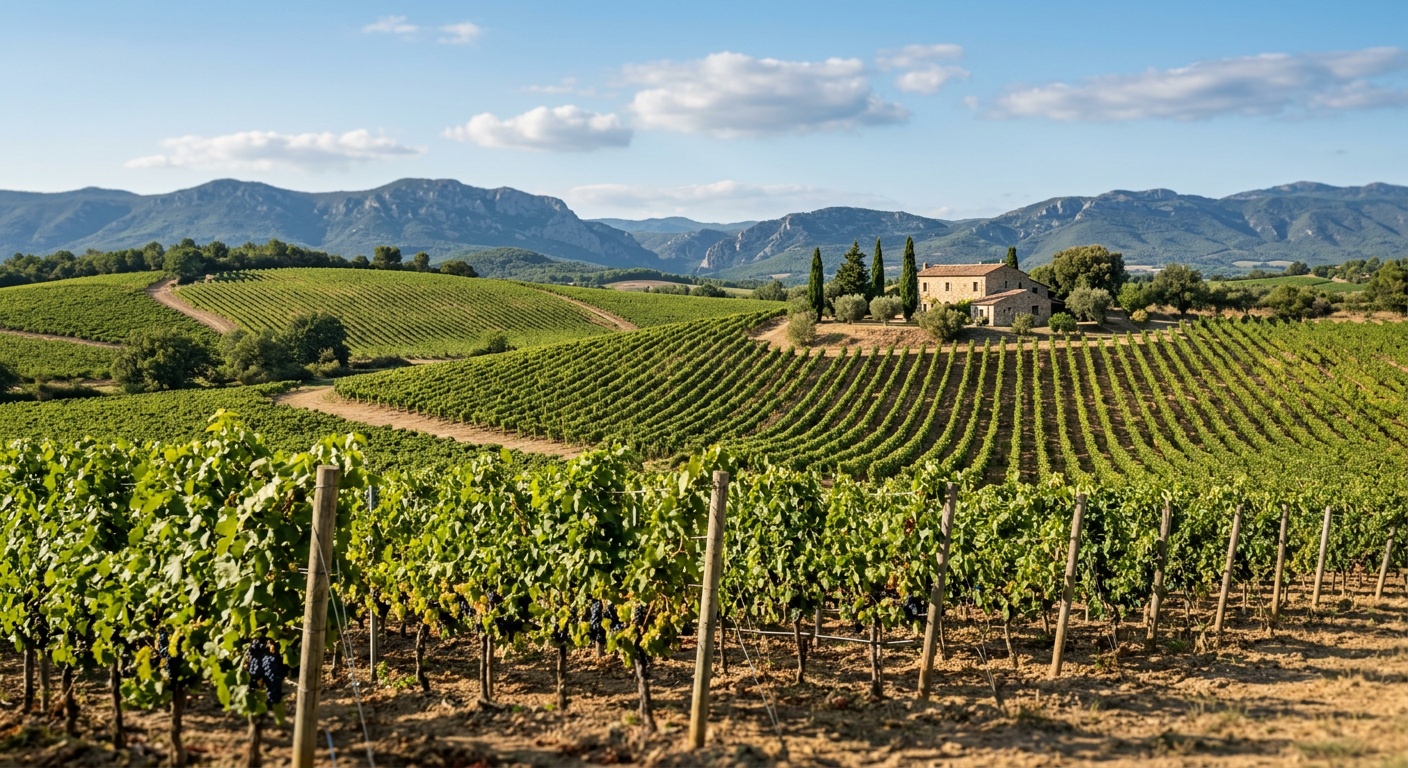
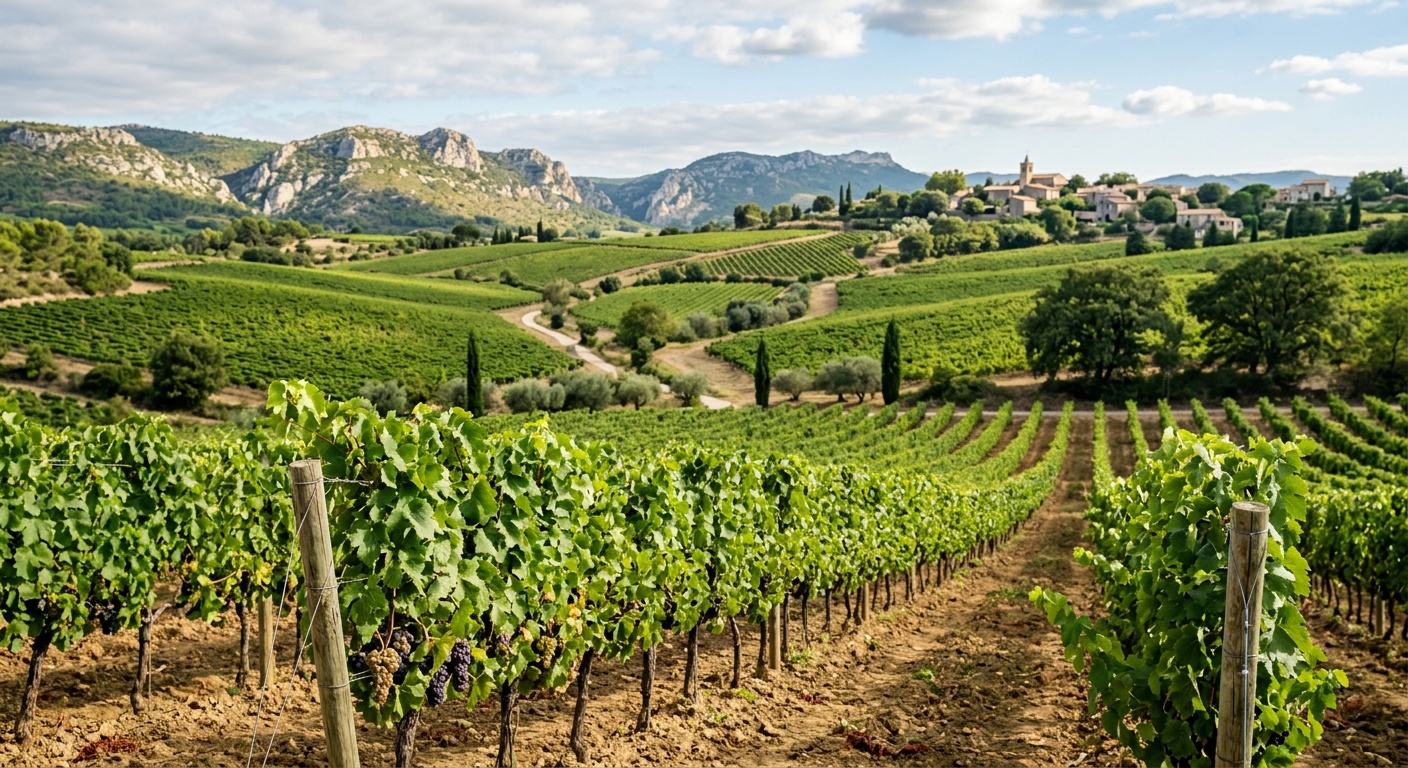
Languedoc produces more wine than any other French region. The vendanges — grape harvests — begin in late August for early varieties in the Roussillon and continue through October in the higher Hérault vineyards. Renting a holiday home near appellations like Pic Saint-Loup, Saint-Chinian, or Fitou during this period means you’re in the middle of living agricultural history. Many domaines welcome visitors during harvest, offer tastings of young wine straight from the vat, and host harvest dinners that represent genuine immersion in regional culture.
October brings the truffle season beginning in earnest, with markets in Uzès and Nîmes offering early specimens. The light in October — golden, low-angled, long — is what photographers and painters have sought out in Languedoc for centuries. November becomes genuinely quiet and cool, better suited to cultural city breaks in Montpellier or Carcassonne than beach holidays, but offering exceptional value for those who love off-season travel.
Winter (December–February): Niche But Rewarding
Winter in Languedoc divides opinions sharply. On the coast, December through February is quiet — some would say too quiet. Many restaurant and rental properties close entirely, and the beach towns take on the melancholy of out-of-season resorts. Temperatures range from 8–13°C on the coast, which is mild by northern European standards but not what most people envision when they think “Mediterranean holiday.”
However, two niches make winter Languedoc genuinely compelling. First, the Pyrénées ski resorts — Ax-les-Thermes, Font Romeu, and Les Angles are all within 2–3 hours of coastal Languedoc — make the region suitable for combined ski-and-culture trips. Renting a holiday home in Perpignan or Carcassonne in January gives you ski access plus the extraordinary Catalan cultural heritage of the area. Second, the winter market season in Montpellier and Nîmes offers excellent Roman and medieval heritage tourism without any crowds whatsoever.
Rental prices in winter are at their annual floor — sometimes 50–60% below summer peak rates — and availability is virtually unlimited. For retirees, remote workers, or those seeking an extended slow-travel stay of four weeks or more, winter Languedoc offers exceptional value and a genuinely local experience.
Visitor Demand & Rental Price Index by Season
The following chart illustrates the relative rental price index and visitor demand across the year in Languedoc, based on aggregated 2025–2026 holiday rental platform data:
Average Rental Price Index — Languedoc Holiday Homes (100 = August Peak)
Source: Aggregated Airbnb, Vrbo, and Gîtes de France pricing data for Languedoc properties, 2025–2026.
Comparative Table: What Each Season Genuinely Offers
| Season / Month | Avg. Temp (°C) | Crowd Level | Price vs. Peak | Best For |
|---|---|---|---|---|
| Mar–May (Spring) | 14–23°C | Low–Moderate | –30 to –45% | Walking, cycling, wine touring, markets |
| Jun (Early Summer) | 23–29°C | Moderate | –15 to –22% | Beach, festivals, families, couples |
| Jul–Aug (Peak) | 28–35°C | Very High | Peak rates | Beach, nightlife, large groups |
| Sep–Oct (Autumn) | 18–27°C | Low–Moderate | –25 to –40% | Harvest, gastronomy, photography, wine |
| Nov–Feb (Winter) | 7–13°C | Very Low | –50 to –60% | Long stays, culture, ski nearby, remote work |
Real Traveller Scenarios: Finding Your Perfect Match
Scenario 1: The Family With School-Age Children
Meet the Hartmanns — a German family of four from Stuttgart, with children aged 8 and 11. Their annual holiday budget is €4,500 for accommodation, and they want beach access, safe swimming, and activities that keep the kids engaged. In 2025, they booked a coastal villa near Narbonne-Plage for the first week of July and reported that it exceeded expectations on the beach side but was severely impacted by traffic, full car parks, and a restaurant scene that was stretched beyond capacity.
For 2026, the smarter move for a family like the Hartmanns is the last week of June. French schools end around July 4th in 2026, meaning the first wave of domestic visitors doesn’t hit until mid-July. Booking the same property category for June 23–30 saves approximately €700, guarantees a parking space at the beach, and still delivers 27–29°C temperatures with fully open sea swimming. Alternatively, early September (after the 6th) works beautifully if the family has flexible school holiday arrangements — more and more European families are negotiating this with schools, particularly for French-speaking households.
Scenario 2: The Couple Seeking Gastronomy and Wine
David and Miriam, a retired British couple from Bath, have a specific wish list: great restaurants without booking two weeks in advance, wine domaine visits, fresh markets, and scenic walking. They visited Languedoc for the first time in August 2023 and were disappointed by the crowds at Pic Saint-Loup and the fully booked wineries near Clermont-l’Hérault.
Their optimal window is mid-September to mid-October. In 2026, harvest in the Hérault will likely run from approximately September 8th through October 10th depending on variety and altitude. Renting a gîte in the village of Aniane or Saint-Jean-de-Fos puts them at the epicentre of the Terrasses du Larzac appellation during its most extraordinary moment. Winery visits are not only possible — they’re welcomed, and many estates offer harvest participation experiences. Markets in Gignac and Montarnaud overflow with autumn produce. And the hiking trails into the Hérault gorge are at their most comfortable temperature.
Scenario 3: The Remote Worker Seeking an Extended Stay
Ana, a freelance UX designer from Amsterdam, works entirely remotely and wants to base herself in Languedoc for six weeks in early 2026. Her priorities are reliable Wi-Fi, a comfortable working environment, reasonable costs, and access to cultural life without summer-tourist pricing.
For Ana, February through mid-March represents extraordinary value. A two-bedroom apartment in Montpellier — France’s fastest-growing city and home to a major university — is available on monthly rental terms for as little as €900–€1,200 per month in winter versus €2,500–€3,500 in summer. The city’s café culture, excellent public transport, and proximity to both the coast and the Cévennes mountains make it a superb base. February sees the Languedoc wine fairs begin in Montpellier, the city’s jazz scene is active, and temperatures — while cool at 10–14°C — are perfectly walkable with a good coat.
Common Challenges and How to Overcome Them
Challenge 1: The Tramontane Wind
The tramontane is a cold, dry northwesterly wind that can descend on Languedoc at virtually any time of year, but most commonly in spring and autumn. It can blow at 60–80 km/h for three to five consecutive days, making beach visits unpleasant and outdoor dining impossible. The strategic response: choose a holiday property with a sheltered south-facing courtyard or terrace, which the tramontane typically doesn’t penetrate. Check weather forecasts using Météo-France’s seven-day models before finalising arrival plans. Build at least one or two “indoor culture days” (Montpellier’s Musée Fabre, Nîmes’ Roman monuments, Carcassonne’s cité) into any spring or autumn itinerary so a wind episode doesn’t derail the entire trip.
Challenge 2: Booking Availability in Peak Season
In 2026, demand for quality Languedoc holiday homes in July and August outstrips supply in popular areas. Desirable properties in villages like Minerve, near the Canal du Midi, or on the Île de Thau near Sète are booked out by March. The strategic response: If you have your heart set on peak summer, register with agencies like Clévacances or Gîtes de France in October or November 2025 and book for summer 2026 immediately — waiting lists are real and properties do reappear when other bookings fall through. Alternatively, use the data in this article to shift your thinking toward June or September, where availability remains good into spring 2026.
Challenge 3: Understanding What’s Actually Open
Many travellers arrive in Languedoc in May or October to find that their target restaurant closes on Mondays and Tuesdays, the village museum is on reduced hours, and that particular winery only does tastings by appointment. This is not a sign that shoulder-season travel is a mistake — it’s a reminder that it requires slightly more advance planning. Email wineries before you travel (most respond within 48 hours and appreciate the courtesy). Check local tourist office websites — the Office de Tourisme Montpellier Méditerranée Métropole, for example, has an excellent 2026 seasonal guide published each January. Book restaurants for Friday through Sunday evenings where possible, as these are the days most establishments keep full hours in shoulder season.
Frequently Asked Questions
What is the absolute best single month to rent a holiday home in Languedoc for value and experience combined?
September is the strongest overall recommendation for most travellers. It combines the warmest sea temperatures outside peak summer (22–24°C), significantly reduced rental prices (25–40% below August rates), the spectacle of the grape harvest, excellent restaurant availability, and the region’s legendary autumn light. It’s not a perfect month for everyone — families tied to school terms will find it difficult — but for couples, groups of adults, or retirees with flexibility, September in Languedoc is genuinely hard to beat anywhere in Mediterranean Europe.
Is Languedoc suitable for a winter holiday home rental?
Yes, with realistic expectations. Winter Languedoc suits specific traveller profiles: remote workers seeking affordable long-term bases, cultural travellers focused on Roman heritage (Nîmes, Pont du Gard), wine enthusiasts visiting domaines during quiet periods, and those combining a coastal base with Pyrenean skiing. Coastal resort towns can feel deserted in January, but inland cities like Montpellier and Perpignan remain genuinely lively throughout winter. Rental prices are at their annual lowest — sometimes 50–60% below peak — making extended stays exceptionally affordable.
How far in advance should I book a Languedoc holiday home for peak summer 2026?
For July and August 2026, the honest answer is: if you haven’t booked by April 2026, your choices will be significantly limited for the most desirable properties. The best coastal villas and mas in sought-after areas (near Pézenas, along the Canal du Midi, in the Hérault wine country) typically sell out between January and March for peak summer. For shoulder seasons — June, September, early October — you have more flexibility, but booking 8–12 weeks in advance is still advisable to secure the best properties at the best prices.
Your Languedoc Timing Roadmap: Smart Moves for 2026
Here’s the honest summary: Languedoc rewards those who think strategically about timing just as much as it rewards those who explore its extraordinary landscapes, food, and wine. The crowds and costs of August are real — but so is the golden magic of a September harvest, the wildflower-scented freedom of a May cycling trip, or the deep quiet of a January week in Montpellier’s medieval quarter.
Your practical 2026 action plan:
- Define your non-negotiables first. Beach swimming? Harvest experiences? School holiday dates? Skiing proximity? Each of these points to a specific optimal window. Don’t start with a date — start with a purpose.
- Cross-reference your ideal window with the price index. If September ticks all your boxes, you’ll save 30–40% versus August for a materially better experience. Use those savings to upgrade your property or extend your stay.
- Book quality properties early regardless of season. The best mas, village houses, and vineyard cottages get reserved first, even in shoulder season. Don’t wait until two months before departure if you have a specific property type in mind.
- Build in weather flexibility. Any Languedoc trip in spring or autumn should include two or three days of non-weather-dependent activity — cultural visits, winery appointments, market days — to absorb the tramontane without frustration.
- Talk to the owners. Holiday home owners in Languedoc are often passionate about their region and remarkably generous with insider advice. Ask them when they personally love the area most — the answers are usually illuminating.
The broader trend here matters: as Mediterranean summers intensify — with 2025 recording several weeks above 38°C on the Languedoc coast — the shoulder seasons are not just economically attractive, they’re becoming climatically preferable. The future of Languedoc travel is shoulder-season travel. The travellers who understand this now are the ones who will be discovering perfect weeks while everyone else is debating whether August is still worth it.
So here’s the question to sit with: If you could design your ideal Languedoc week from scratch — the right temperature, the right activity, the right atmosphere — which season does that description actually point to? The answer is probably not August. And that’s the most valuable piece of information you’ll take from this guide.