Languedoc Vacation Rental Guide for First-Time Visitors
Reading time: 14 minutes
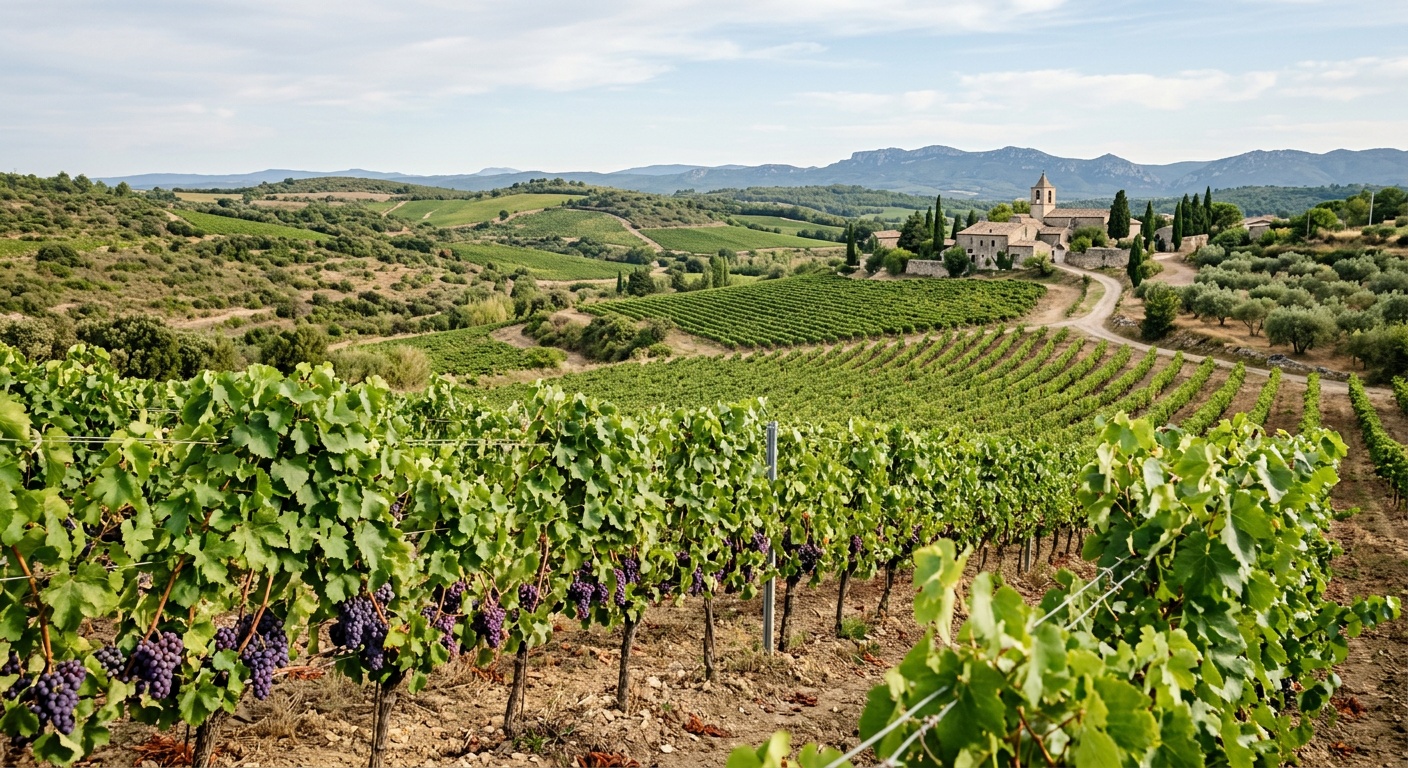
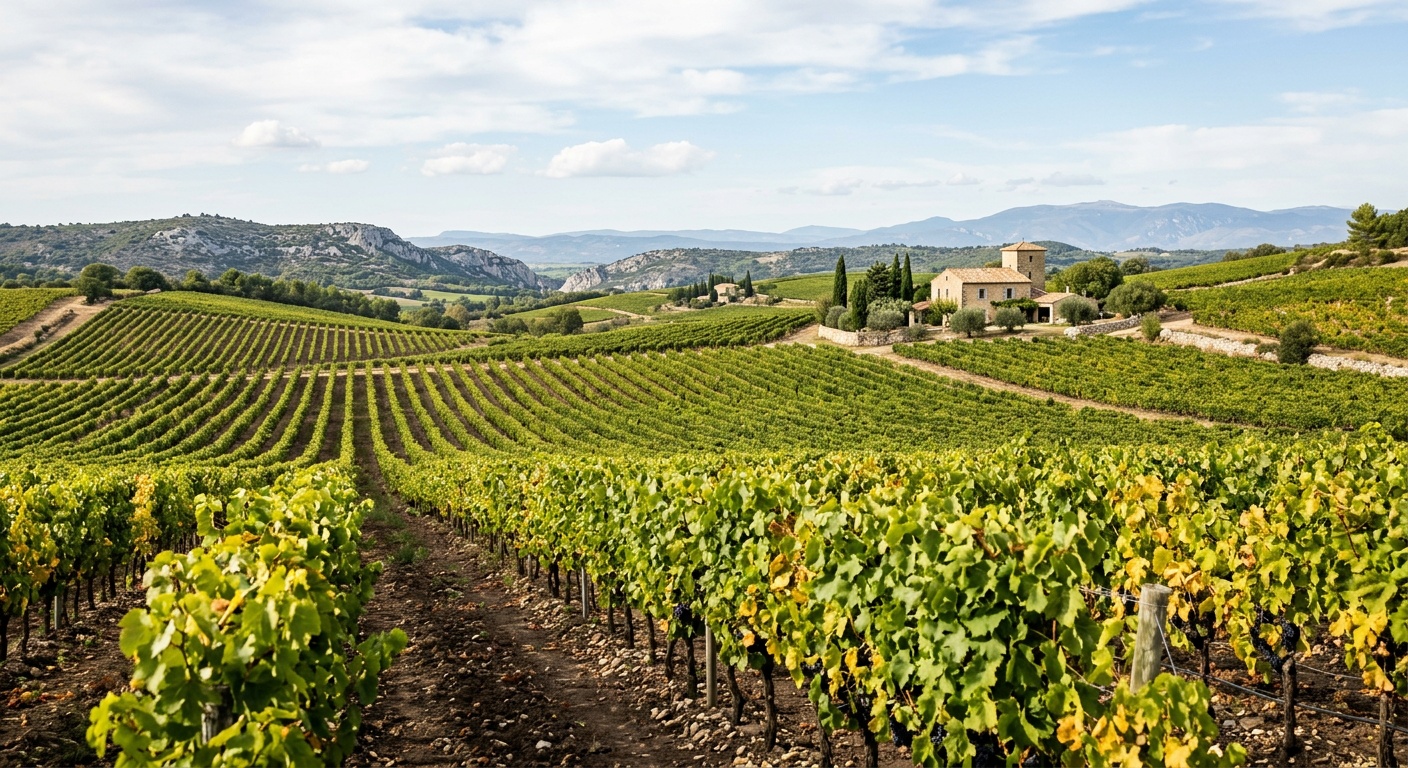
Picture this: you’re sipping a chilled glass of Picpoul de Pinet on a sun-drenched terrace, gazing out over vineyards that stretch all the way to the glittering Mediterranean. Behind you, a centuries-old stone farmhouse — your rental for the next two weeks — hums quietly with cicadas and the warm Languedoc breeze. Sound too good to be true? It absolutely isn’t. But getting there — finding the right property, navigating French rental norms, and avoiding the classic first-timer pitfalls — takes a little strategic homework.
Welcome to the Languedoc vacation rental guide built specifically for people who’ve never done this before. Whether you’re drawn by the UNESCO World Heritage vineyards, the medieval villages of the Hérault, or the canal-side charm of Sète, this guide will walk you through everything you need to book confidently, arrive comfortably, and leave already planning your return.
Table of Contents
- Why Languedoc Is Having a Moment in 2026
- Choosing Your Base: The Key Sub-Regions
- Types of Vacation Rentals You’ll Encounter
- Booking Smart: Platforms, Timing, and Pricing
- Rental Comparison: What Your Budget Really Gets You
- 3 Common First-Timer Challenges (and How to Solve Them)
- Practical On-the-Ground Tips
- FAQs
- Your Languedoc Adventure Starts Here
Why Languedoc Is Having a Moment in 2026
Languedoc — officially part of the Occitanie region in southern France — has spent decades in the shadow of Provence and the Côte d’Azur. That dynamic has shifted dramatically. In 2025, the French Tourism Development Agency reported a 23% increase in international rental bookings for the Hérault, Gard, and Aude departments compared to 2022 figures, driven largely by travelers seeking the “authentic south of France” experience without the overcrowded beaches and inflated prices of the Riviera.
In 2026, that momentum continues. The region offers a compelling combination that’s increasingly rare in Western Europe: affordability, authenticity, and accessibility. Montpellier’s international airport now handles over 40 direct routes, including new seasonal connections from the UK, Germany, and the Netherlands added in late 2025. High-speed TGV rail links Paris to Montpellier in just over three hours. The infrastructure is there — but the tourist hordes, thankfully, mostly aren’t.
For first-time visitors specifically, Languedoc presents an unusually forgiving entry point into French rural travel. English is more widely spoken than in previous decades, particularly in coastal towns and major market villages. Rental hosts — especially those listing on international platforms — are accustomed to non-French guests and often provide bilingual welcome guides.
“Languedoc represents what I call the ‘second-wave’ destination phenomenon — it’s discovered, but not yet diluted. That sweet spot rarely lasts more than a decade.” — Sophie Marchand, travel analyst at Voyages Futurs consulting firm, 2025
Choosing Your Base: The Key Sub-Regions
One of the most common first-timer mistakes is treating Languedoc as a single, homogenous destination. It isn’t. The region spans roughly 280 kilometers from east to west, and its character changes dramatically depending on where you plant your suitcase. Here’s how to think about the major zones:
The Hérault: Vineyards, Villages, and the Coast
The Hérault department is where most first-time visitors land — both literally and figuratively. Montpellier anchors the east, offering urban convenience with medieval flair. To the northwest, the Languedoc wine country unfolds through Saint-Guilhem-le-Désert (one of France’s official “Plus Beaux Villages”), Pézenas, and the Lodève plateau. The southern coastline, including the Bassin de Thau near Sète and the beaches of Marseillan, offers a distinctly non-touristy Mediterranean experience.
Best for: Wine lovers, cultural explorers, families wanting beach access with village charm. Rentals in the Hérault interior — particularly bastide farmhouses near Gignac or Clermont-l’Hérault — deliver exceptional value in 2026, averaging €900–€1,400 per week for a three-bedroom property in peak July season.
The Gard: Roman Heritage and Garrigue Landscapes
Cross into the Gard and the landscape becomes drier, more dramatic, more redolent of wild herbs and bleached limestone. Nîmes anchors this department with its extraordinary Roman amphitheater and the iconic Pont du Gard aqueduct just minutes away. The Camargue wetlands touch the Gard’s southern edge, while the Cévennes mountains rise to the north — one of France’s most biodiverse national parks.
Best for: History enthusiasts, outdoor adventurers, couples seeking dramatic landscapes. The Uzès and Alès areas offer beautiful mas (traditional Languedoc farmhouses) at competitive prices, particularly in the shoulder months of May, June, and September.
The Aude: Cathar Country and Canal du Midi
The Aude is perhaps the most dramatic sub-region for first-timers willing to venture slightly further west. Carcassonne’s fairytale medieval citadel — a UNESCO World Heritage site — is the headline act, but the supporting cast is equally impressive: the Cathar castle ruins perched on vertiginous mountain ridges, the Canal du Midi winding peacefully through plane-tree-shaded waterways, and the coastal Narbonnaise with its flamingo-populated lagoons.
Best for: History buffs, cycling enthusiasts (the Canal du Midi towpath is extraordinary), budget-conscious travelers. Rental prices in the Aude run roughly 15–25% lower than comparable properties in the Hérault, making it excellent value.
Types of Vacation Rentals You’ll Encounter
Languedoc’s rental market is wonderfully diverse, but it also uses terminology that can confuse first-timers. Here’s a quick orientation:
- Mas / Bastide: Traditional stone farmhouses, typically with enclosed gardens or vineyards. The quintessential Languedoc experience. Usually sleeps 6–12. Often rented as whole properties.
- Gîte: A self-catering rental unit, which can be anything from a converted barn to a modern apartment. The word simply means “self-catering accommodation” in French tourism terminology. Quality varies enormously.
- Gîte de charme: A higher-end version of the above, typically with designer touches, pools, and better-equipped kitchens. Expect a premium of 30–50% over standard gîtes.
- Chambres d’hôtes annex: Some B&Bs in Languedoc offer separate gîte cottages on their grounds — excellent for first-timers who want independence but appreciate a host nearby for local knowledge.
- Urban apartment: Available in Montpellier, Nîmes, and Carcassonne for city-focused trips or as a base for day excursions. Platforms like Airbnb and Vrbo have substantial inventory here.
Pro Tip: If it’s your first time in Languedoc, seriously consider a chambres d’hôtes annex gîte or a reputable gîte operator with multiple properties. Having an experienced, English-speaking host accessible for guidance on local markets, restaurants, and hidden beaches is genuinely invaluable when you don’t know the region.
Booking Smart: Platforms, Timing, and Pricing
Which Booking Platform Should You Use?
The short answer: use multiple, but understand what each does best.
Airbnb remains the dominant platform for urban apartments and smaller rural gîtes, particularly useful for its review system and payment protections. In 2026, Airbnb has expanded its “Unique Stays” category in Languedoc significantly, featuring converted windmills, vineyard estates, and houseboat rentals on the Canal du Midi.
Vrbo (formerly HomeAway) tends to list larger, whole-property rentals — ideal for families or groups booking a mas or bastide. The inventory here often overlaps with direct rental agencies but the booking protection is solid.
Gîtes de France is the official French national network of certified self-catering rentals. Properties carry an ear-of-wheat classification (1–5 épis) for quality. This platform is brilliant for authentic, locally vetted options and often offers better prices than international platforms for the same properties. The website is available in English. Highly recommended for first-timers wanting vetted quality.
Direct agency websites — operators like Languedoc Living, Midi Holiday Rentals, and several Aude-specific agencies — often have the most distinctive high-end properties and can provide personalized regional guidance. They typically charge no platform fees, meaning the savings can be passed to the renter.
When to Book and What to Expect Pricewise
Timing matters enormously in Languedoc. Here’s the practical breakdown for 2026:
- Peak season (July 14 – August 25): Prices are 60–90% higher than shoulder months. Book by February at the latest for good inventory. French school holidays create enormous domestic demand pressure on top of international visitors.
- High shoulder (late June, first two weeks of September): The sweet spot. Weather is excellent — consistently 28–33°C — without the August crowds. Prices drop 25–40%. Still book early, as savvy travelers have discovered this window.
- Low shoulder (May, October): Outstanding value, particularly for wine travelers (harvest runs late September through October). Some pools and amenities may not yet be operational in May. Excellent for hiking and cycling.
- Off-season (November–April): Many rural gîtes close entirely. Those that remain open offer dramatic discounts, ideal for remote workers or travelers seeking genuine solitude. Expect some restaurant closures in smaller villages.
Rental Comparison: What Your Budget Really Gets You
| Budget (per week, peak) | Property Type | Typical Location | Key Features | Best For |
|---|---|---|---|---|
| €500–€900 | Studio / 1-bed gîte | Village or small town | Basic kitchen, shared or no pool | Couples on a budget |
| €900–€1,600 | 2–3 bed rural gîte | Hérault / Aude countryside | Private pool, garden, full kitchen | Small families, friend groups |
| €1,600–€3,000 | Mas / bastide (4–6 bed) | Vineyards, hilltop villages | Stone architecture, heated pool, BBQ terrace, wine cellar | Families, milestone occasions |
| €3,000–€6,000+ | Luxury domaine / château | Wine estates, Gard garrigue | Chef services, concierge, infinity pool, private vineyard | Large groups, weddings, luxury travelers |
Visitor Satisfaction by Rental Category — 2025 Data
Based on aggregated review data from Gîtes de France and Airbnb (2025 season), here’s how different rental types score on overall guest satisfaction:
Note: Satisfaction scores reflect guests’ likelihood to re-book the same property or recommend it directly.
3 Common First-Timer Challenges (and How to Solve Them)
Challenge 1: The “Beautiful Photos, Disappointing Reality” Problem
This is the most universally reported issue in Languedoc rental reviews. A property looks stunning in professional photography — soaring stone vaults, sparkling pool, olive-shaded terrace — but arrives with a poorly equipped kitchen, a pool that hasn’t been properly maintained, or a location that’s less “secluded vineyard” and more “next to a busy D-road.”
Case Study: In the summer of 2025, a family from Edinburgh booked a three-bedroom gîte near Béziers through a budget aggregator site. The photos showed a charming stone property with a generous garden. What they didn’t notice: the listing description mentioned a pool “shared with one other unit” — which actually meant sharing with a family of eight who used it from 9am until 9pm daily. The experience was uncomfortable despite the property itself being perfectly clean and well-priced.
Solution Strategy:
- Read the full listing description, not just the photos — look for any shared facilities language.
- Use Google Maps satellite view to verify the property’s actual surroundings before booking.
- Message the host directly before booking with two or three specific questions — the quality and speed of their response tells you a great deal about how they’ll handle issues during your stay.
- Filter reviews specifically for guests who stayed in the same month you’re booking — July experiences differ dramatically from May experiences at the same property.
Challenge 2: Getting Around Without a Car
Languedoc’s rural charm is inseparable from its rural reality: public transport between villages is limited to infrequent bus routes, and the most beautiful rentals are often the least accessible without a car. Many first-timers from urban backgrounds — particularly those flying in from London, Amsterdam, or Frankfurt — underestimate this constraint significantly.
The honest assessment: If you’re renting a rural mas or countryside gîte, you need a car. Non-negotiable. The nearest boulangerie might be 6km away; the nearest supermarket 15km. Public transport won’t bridge that gap reliably.
Solution Strategy:
- Book rental cars through Montpellier or Nîmes airport desks well in advance — in peak 2026 season, good automatic-transmission vehicles sell out by April.
- If you specifically don’t want to drive, choose a rental in or within walking distance of a village with at least a boulangerie, café, and small market. Pézenas, Saint-Chinian, Uzès, and Carcassonne’s lower town all work well for car-free visitors.
- Consider the Canal du Midi houseboat option — self-skippered or fully crewed — if adventure appeals. This is entirely car-free and uniquely Languedoc.
Challenge 3: Mistiming the Booking Around French Holidays
France’s public holiday calendar creates micro-surges in rental demand and pricing that catch international visitors completely off guard. The Toussaint (All Saints’ holiday in late October/November), Ascension weekend, and especially the Pont de l’Ascension (the long weekend bridging the Ascension holiday with regular days) see massive French domestic travel. Prices spike, properties that normally sit available get snapped up, and the roads between Montpellier and the coast gridlock in ways that feel incomprehensible for a region this rural.
Solution Strategy: Download the official French school holiday calendar for 2026 before you start searching (available at education.gouv.fr in English). Cross-reference your travel dates against both national holidays and Académie de Montpellier school zone breaks. If your dates land within a French school holiday, assume peak pricing and book at least 4–5 months in advance.
Practical On-the-Ground Tips
Arrival and Check-In Realities
French rental check-in conventions differ subtly from the UK or North American model. Arrival day is typically Saturday for weekly rentals — this is deeply embedded in the Languedoc gîte tradition, and deviating from it often costs extra (and sometimes isn’t possible). Check-in windows are usually strict: 4pm–7pm. Arriving at 2pm and expecting to access the property is a common friction point.
Always confirm your host’s preferred communication channel before departure — WhatsApp is near-universal among hosts in 2026, and having the host’s number saved before you land is genuinely valuable if your flight is delayed or you miss a turnoff in the garrigue.
The Weekly Market Circuit
One of Languedoc’s greatest pleasures — and a practical food-shopping resource for self-catering guests — is the regional market circuit. Nearly every village has a weekly market, and they rotate through the week so you can hit a different one almost every day. Key markets to know:
- Pézenas (Saturday): One of the finest antiques and produce markets in the entire south of France.
- Uzès (Saturday): Legendary provençal market in a medieval square — worth the detour from anywhere in the Gard.
- Sète (daily, fish market especially Tuesday–Saturday): The freshest Mediterranean seafood in the region, direct from the fishermen.
- Limoux (Friday): Authentic, deeply local, excellent charcuterie and Blanquette de Limoux sparkling wine.
Key Things to Pack That Hosts Won’t Mention
- Mosquito repellent and a plug-in diffuser: Languedoc summers bring tiger mosquitoes, especially near water. Many gîtes don’t provide repellents.
- A decent corkscrew: Paradoxically, many rental properties in one of France’s greatest wine regions lack a reliable wine opener. Bring your own.
- Sun hats and high-SPF sunscreen: The Languedoc sun between June and September is fierce — UV index regularly hits 8–10.
- Cash (€50–€100 in small notes): Village markets, roadside honey stalls, and small caves (wine cellars) often don’t accept cards.
Frequently Asked Questions
Is Languedoc safe for solo female travelers booking vacation rentals?
Yes, unequivocally. Languedoc ranks among France’s safest rural regions for independent travelers of all demographics. The principal practical consideration for solo female travelers isn’t safety but isolation: rural gîtes can be genuinely remote, and if you’re traveling alone, a property with a host nearby (a chambres d’hôtes annex or a managed gîte complex with a resident owner) often makes more practical sense than a completely isolated mas. Standard rental safety practices apply: share your location with someone at home, confirm the host’s identity through the platform before arrival, and keep the platform’s emergency contact details accessible.
Can I find last-minute rental deals in Languedoc, or is advance booking essential?
It depends entirely on the season. In July and August, last-minute deals are essentially mythological — the region fills up, particularly for properties with pools and the most distinctive character. However, in May, early June, September, and October, genuinely good last-minute availability exists. Hosts would rather fill a week at a moderate discount than leave a property empty. In 2026, platforms like Airbnb and Vrbo both feature “last-minute” filters, and the Gîtes de France national site has a dedicated “available this week” function that is surprisingly well-stocked outside peak season. If flexibility is your strength, the shoulder months reward last-minute lookers.
What are the typical additional costs beyond the listed rental price?
French vacation rental pricing has a number of standard add-ons that first-timers frequently miss when comparing headline prices. The most common are: cleaning fees (€80–€200 depending on property size, usually non-negotiable); tourist tax (taxe de séjour) charged at approximately €0.50–€3.50 per person per night depending on the municipality and property category; linen/towel rental (many gîtes charge €15–€25 per set, though some include it — always confirm); and occasionally pool heating supplements in May, June, and September when solar heating alone may be insufficient. A practical rule for first-timers: add 20–30% to the base weekly rental price for a realistic all-in budget figure, then factor in groceries, fuel, and activities separately.
Your Languedoc Adventure Starts Here: A First-Timer’s Launchpad
You’ve now got the strategic framework that most first-time Languedoc visitors wish someone had handed them before they started searching listings at midnight, overwhelmed by beautiful stone archways and conflicting reviews. Let’s turn that knowledge into a clear action sequence:
- Define your “Languedoc North Star” within the next week: Decide which sub-region aligns with your interests — wine and villages (Hérault), Roman history and garrigue (Gard), or canal and Cathar castles (Aude). This single decision will cut your search complexity in half immediately.
- Cross-reference your travel dates with the French holiday calendar: Visit education.gouv.fr, confirm you’re not booking into a school holiday crunch, and set your budget accordingly. If you are traveling in peak season, commit to booking by March 2026 at the latest.
- Build a shortlist of 3–5 properties using a platform combination: Start with Gîtes de France for vetted quality and authenticity, supplement with Airbnb or Vrbo for broader inventory, and investigate at least one direct agency for the Aude or Hérault if your budget permits. Read full descriptions, satellite-check locations, and message hosts before committing.
- Secure your car rental simultaneously with the property: Don’t treat these as sequential steps. A fabulous rural mas with no car booked is an anxiety-inducing combination by the time July rolls around.
- Build your market circuit and local knowledge list before you fly: Download your target villages’ weekly market days, note one or two wine domaines for visits, and identify the nearest supermarket to your rental. This 30 minutes of pre-trip research routinely transforms a good stay into an exceptional one.
Languedoc is part of a broader shift in how discerning travelers are engaging with Europe in 2026 — moving away from overcrowded headline destinations toward regions that offer depth over Instagram density. The Occitanie region sits at the center of that movement, and understanding it before you arrive puts you in a position to experience it at its most genuine.
So here’s the question worth sitting with: What kind of Languedoc traveler do you want to be? The one who stays in a beautiful place and experiences it from the poolside? Or the one who wanders into a Tuesday morning market in Clermont-l’Hérault, ends up sharing a carafe of Clairette with a local winemaker, and returns home with a story that no guidebook could have scripted? The rental you choose, the region you pick, and the preparation you do right now are what determine the answer.
Languedoc rewards those who arrive informed, curious, and just slightly unhurried. The cicadas will do the rest.