What to Expect When Renting a House in Southern France
Reading time: 14 minutes
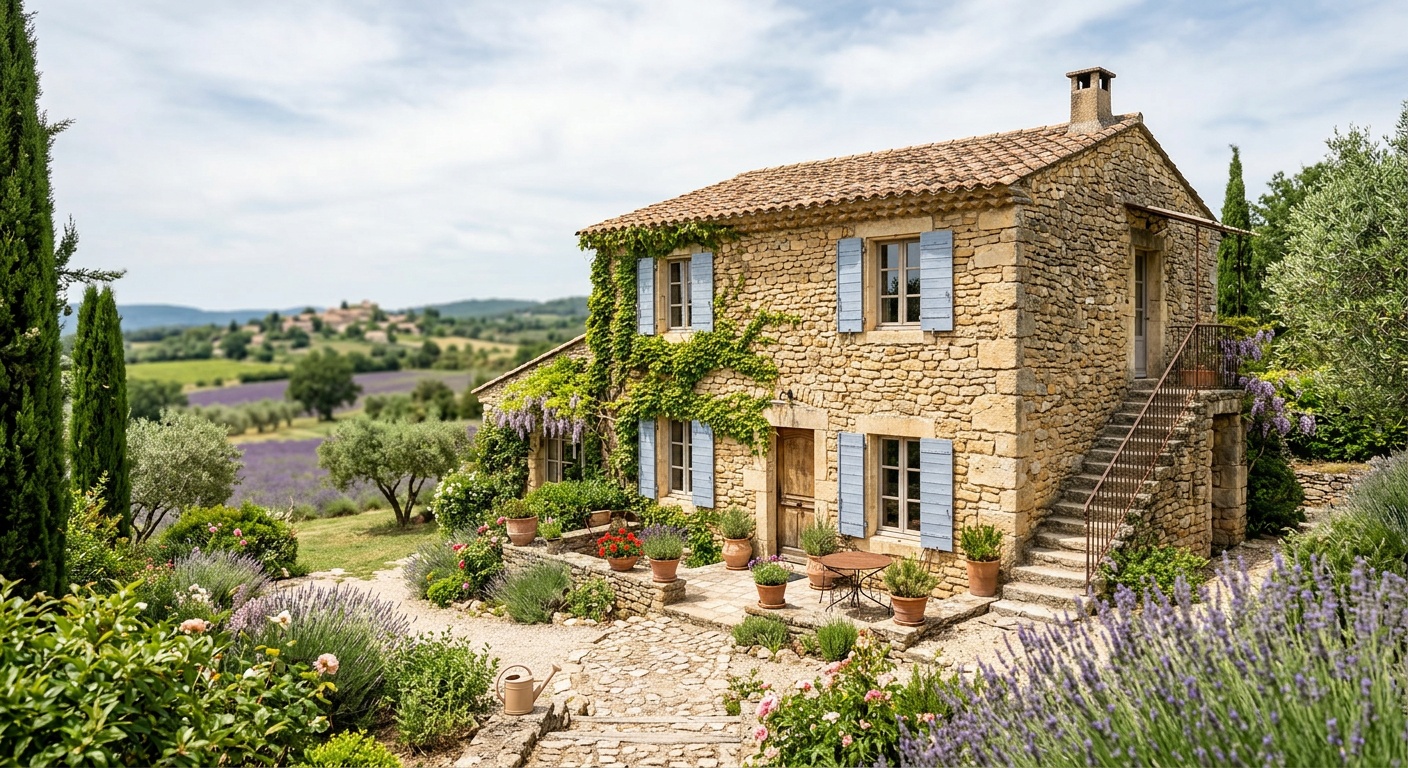
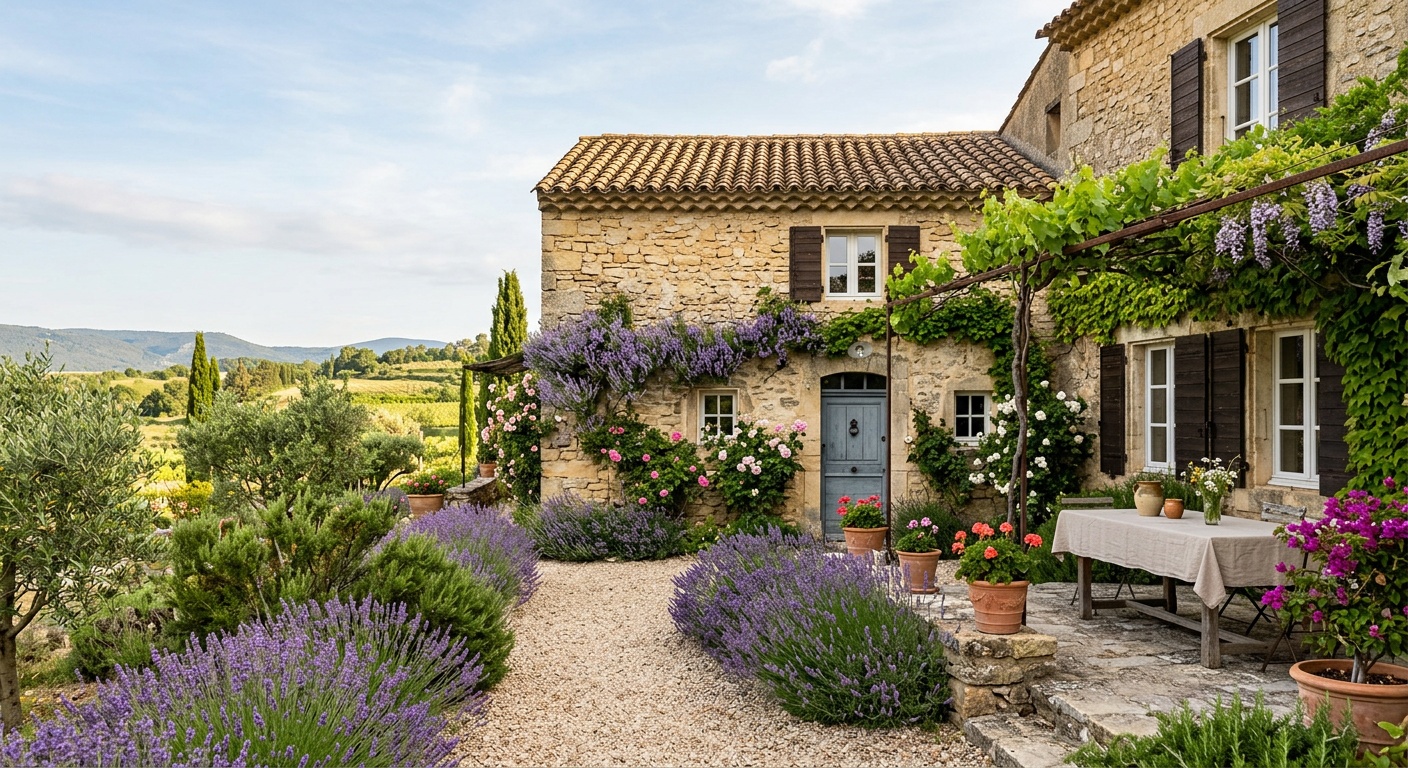
Picture this: sun-drenched lavender fields in Provence, a terracotta-roofed village house in the Languedoc, or a breezy stone farmhouse tucked into the hills above Nice. Southern France has been casting its spell on renters for decades — and in 2026, it remains one of the most sought-after rental destinations in Europe. But here’s the honest truth: the dream and the reality of renting in southern France don’t always look the same.
Whether you’re a digital nomad eyeing a six-month bail mobilité, a retiree dreaming of a full-year lease in the Luberon, or a family planning an extended summer rental along the Côte d’Azur, this guide breaks down everything you genuinely need to know — from navigating French rental law to understanding what “charges comprises” really means on your lease.
Table of Contents
- The Southern France Rental Landscape in 2026
- Types of Rentals Available
- Understanding the Real Costs
- French Rental Law: What You Must Know
- Finding and Securing Your Rental
- Common Challenges and How to Overcome Them
- Frequently Asked Questions
- Your Southern France Rental Roadmap
The Southern France Rental Landscape in 2026
Southern France — broadly covering Provence-Alpes-Côte d’Azur (PACA), Occitanie, and parts of Nouvelle-Aquitaine — has experienced significant rental market shifts over the past few years. Post-pandemic remote work normalization, combined with a persistent influx of international renters, has pushed demand well beyond what the housing stock can comfortably absorb in many areas.
In 2025, average long-term rental prices in Montpellier rose by approximately 7.4%, while Marseille’s rental market — historically more affordable than Paris — saw a 9.2% year-on-year increase in the mid-range segment, according to data from the Observatoire des Loyers. In Nice, the Côte d’Azur’s largest city, median monthly rents for a three-bedroom house now sit between €1,800 and €2,800 depending on proximity to the coast.
Yet the picture isn’t uniformly expensive. Venture inland to the Hérault, the Gard, or the Var, and you’ll still find genuine value — if you know where to look and how to approach the process strategically.
“The southern French rental market in 2026 is competitive but not inaccessible. Renters who prepare their dossier thoroughly and understand the local norms have a real advantage.” — Isabelle Moreau, Registered Property Advisor, Montpellier (2026)
Types of Rentals Available
Long-Term Unfurnished Rentals (Location Vide)
The traditional French rental contract — bail d’habitation vide — runs for a minimum of three years for private landlords, with a one-year notice period for landlords wishing to reclaim the property. As a tenant, your notice period is just one to three months, making this arrangement considerably more flexible for you than for the owner.
These contracts are governed by the Loi Alur and the broader housing framework reinforced by subsequent legislation. Unfurnished rentals in southern France are popular among families and long-term expat residents who want to bring their own furniture and settle properly into a community. They typically offer lower monthly rents than furnished equivalents but require a more substantial initial financial commitment.
Furnished Long-Term Rentals (Location Meublée)
Furnished leases run for a minimum of one year (or nine months for student leases), making them ideal for digital nomads, international professionals, and those testing the waters before committing to a region. The landlord must provide a legally defined set of furniture and appliances — including a bed, table, chairs, cooking equipment, and adequate storage.
In cities like Aix-en-Provence and Nice, furnished rentals have surged in popularity among remote workers from Northern Europe and the UK, particularly following the post-Brexit stabilization of residency rules for longer stays. Expect to pay a 10–25% premium over comparable unfurnished properties.
The Bail Mobilité (Mobility Lease)
Introduced in 2018 and increasingly popular in 2026, the bail mobilité is a short-term furnished rental contract running between one and ten months — non-renewable with the same tenant. No security deposit is required, though landlords can require a Visale guarantee. This makes it an excellent tool for those arriving for a temporary assignment, a sabbatical, or an extended holiday that blurs into relocation.
Short-Term and Holiday Rentals
Seasonal rentals — locations saisonnières — remain a cornerstone of southern France’s tourism economy. Platforms like Airbnb, Vrbo, and Abritel continue to dominate this space, though local municipalities have tightened regulations significantly. In 2026, both Marseille and Nice have implemented stricter caps on short-term rental durations and mandatory registration requirements for landlords, driving some properties back into the long-term market and theoretically easing availability.
Understanding the Real Costs
Here’s where many renters get caught off guard. The headline rent is just the beginning. Let’s map out the full financial picture.
Upfront Costs: What You’ll Pay Before You Move In
For an unfurnished rental at €1,200/month in, say, Nîmes or Perpignan, expect the following upfront payments:
| Cost Item | Typical Amount | Notes |
|---|---|---|
| Security Deposit (dépôt de garantie) | 1 month’s rent (unfurnished) / 2 months (furnished) | Legally capped; returned within 1–2 months after departure |
| Agency Fees (honoraires d’agence) | €5–€15 per m² of floor space | Capped by law based on zone; split between landlord and tenant |
| First Month’s Rent | Full month, paid in advance | Pro-rated if moving mid-month |
| Home Insurance (assurance habitation) | €150–€400/year | Legally mandatory for tenants in France |
| Inventory Check (état des lieux) | €100–€200 if using a bailiff | Often included with agency; protects both parties |
For our €1,200/month example, you could realistically need €3,500–€4,500 available before collecting your keys — a figure that catches many first-time renters in France entirely off guard.
Monthly Ongoing Costs
Beyond rent, factor in:
- Taxe d’habitation: Being phased out for primary residences but may apply for furnished or secondary properties — verify with the landlord.
- Utility bills: Electricity (EDF), gas, and internet run approximately €150–€300/month depending on property size and season. Southern French winters can require significant heating in stone farmhouses.
- Charges: Co-ownership charges in apartment complexes cover shared maintenance. For houses, this is less common but confirm whether waste collection and communal area fees apply.
- Water: Often included in charges for apartments; rarely so for standalone houses.
Pro Tip: Always clarify whether the advertised rent is hors charges (HC — excluding utilities/service charges) or charges comprises (CC — inclusive). The difference can be €100–€300/month and significantly impacts your budgeting.
Average Monthly Rental Prices by City (2026)
3-Bedroom House, Long-Term Unfurnished (€/month)
Source: Compiled from Observatoire des Loyers and agency data, 2026 estimates.
French Rental Law: What You Must Know
Your Rights as a Tenant
France has some of the strongest tenant protections in Europe. Under French housing law, landlords cannot evict a tenant between November 1 and March 31 — a protection known as the trêve hivernale (winter truce). Even if you fall behind on rent, the eviction process is lengthy and heavily regulated, typically taking 12–24 months through the courts.
As a tenant, you have the right to:
- A property that meets decency standards (surface area minimum of 9m², functional heating, no significant damp or structural hazards)
- A detailed état des lieux (inventory report) at both move-in and move-out
- Timely return of your deposit, with legally mandated interest for late returns
- A rent receipt upon request
- Prior written notice of any landlord visit (minimum 24 hours)
The Dossier: France’s Make-or-Break Document Package
If there’s one thing that determines whether you get the rental you want, it’s your dossier de location. Landlords in southern France — especially in competitive markets like Aix-en-Provence — receive multiple applications for every desirable property. Your dossier must be impeccable.
A standard dossier includes:
- Valid passport or national ID
- Last three payslips or equivalent proof of income (bank statements, business accounts for self-employed)
- Last two tax assessments (avis d’imposition)
- Employment contract or business registration
- Previous rental reference or landlord contact
- Guarantor documents (if income is below three times the monthly rent)
The general rule is that your income should be at least 3× the monthly rent. If you’re self-employed, a freelancer, or earning in a foreign currency, be prepared for additional scrutiny — and consider arranging a guarantor or using the government’s Visale guarantee scheme, which remains free for qualifying renters in 2026.
Case Study: Take Claire, a British graphic designer who relocated to Montpellier in early 2025 on a freelance visa. Despite earning well above the 3× threshold, her first three applications were rejected because she presented bank statements in GBP without a French-certified translation. On her fourth application, she provided translated documents, a French accountant’s letter confirming income, and offered three months’ rent upfront. She secured her apartment within a week. The lesson: presentation and completeness of your dossier matters enormously.
Finding and Securing Your Rental
The French rental market doesn’t operate quite like its British or American counterparts. Here’s how to navigate the most effective channels in 2026.
Online Platforms
The dominant platforms for long-term rentals in France remain:
- SeLoger — the market leader for long-term rentals, especially useful for agency-listed properties
- Leboncoin — excellent for private landlord listings; often better value but less standardized
- PAP (De Particulier à Particulier) — strictly private landlord listings, no agency fees
- Bien’ici — growing platform with strong southern France coverage
- Lodgis — specialist in furnished rentals
Set up alert notifications immediately. In cities like Nice and Aix-en-Provence, desirable properties in the €1,500–€2,000 range can receive 20–30 inquiries within 24 hours of listing. Being the first to respond — with a complete dossier attached — gives you a genuine structural advantage.
Working With Local Estate Agents
French estate agents (agents immobiliers) are regulated professionals who must hold a carte professionnelle. In smaller towns and villages — Uzès, Sommières, Vaison-la-Romaine — local agencies often have access to properties that never make it online. Building a relationship with two or three local agencies and being clear about your budget, timeline, and requirements pays dividends.
Agency fees are legally shared between landlord and tenant. As a tenant, you pay a maximum of:
- €12/m² of living space in high-tension zones (Nice, Marseille, Montpellier)
- €10/m² in medium-tension zones
- €8/m² in lower-tension zones
For a 90m² house, this means maximum tenant agency fees of approximately €720–€1,080 — a meaningful sum, but legally capped and often worth the professional support in navigating the process.
Common Challenges and How to Overcome Them
Challenge 1: The Language Barrier in Legal Documentation
French lease agreements are detailed, legally binding documents — and they’re entirely in French. A standard bail d’habitation runs to 15–25 pages, covering everything from maintenance obligations to conditions for rent revision.
Solution: Do not rely solely on machine translation. Invest €100–€200 in a consultation with a bilingual property lawyer or notary, particularly for contracts over 12 months. Associations like ADIL (Agence Départementale pour l’Information sur le Logement) offer free housing advice in most French departments and often have English-speaking advisors. The Hérault ADIL in Montpellier, for example, provides free consultations that can save you significantly in misunderstandings.
Challenge 2: Proving Income as a Non-French Resident
This is genuinely one of the most common stumbling blocks for international renters. French landlords are notoriously conservative about income verification, and foreign payslips, pension statements, or business income in non-Euro currencies create hesitation.
Solution: Prepare a comprehensive financial package in advance. Have your bank provide a relevé de situation or equivalent letter confirming your balance and account history. If you’re a retiree, provide official pension certificates translated into French. Consider offering an additional month’s deposit (where legally permissible) or a guarantor to offset perceived risk. The Visale scheme, while primarily designed for employed workers under 30 or over 30 with a specific employer agreement, has expanded eligibility in 2026 — worth checking at visale.fr.
Challenge 3: Seasonal Availability Crunch
Southern France is one of France’s most popular tourist regions. From June through September, a significant portion of the housing stock pivots to short-term holiday rental, reducing long-term availability and pushing prices up. The September back-to-school period (rentrée) creates an additional demand spike as students and relocating families compete for the same properties.
Solution: If at all possible, begin your search in January–March or October–November. These are the sweet spots when competition is lower, landlords are more motivated, and you have genuine negotiating leverage. Arriving in person rather than searching entirely remotely also signals seriousness to landlords — a factor that genuinely matters in the French property culture.
Case Study: Marco, an Italian architect who relocated to Toulon for a three-year contract in 2025, made the mistake of beginning his rental search in August. Despite an excellent dossier, he spent six weeks in temporary accommodation before finally securing a four-bedroom house in October — ironically at €200/month less than comparable properties he’d seen in August. Timing, he reported, was everything.
Frequently Asked Questions
Can non-EU citizens rent a house in southern France without a French bank account?
Yes, though it adds friction. Many landlords and agencies prefer tenants with a French bank account for standing order rent payments (virement automatique). However, you can often open a basic French bank account within days of arrival at institutions like Boursorama, Hello Bank, or the Banque Postale — the latter being particularly accessible for new arrivals. International transfers are accepted by some private landlords, but expect to provide additional financial documentation to compensate for the perceived risk. Set up your French account as early as possible in the process.
What happens if there’s a dispute about deposit deductions at the end of my tenancy?
French law requires landlords to return the security deposit within one month (if no damage beyond normal wear) or two months (if deductions are claimed), from the date you return the keys. If you disagree with deductions, the first step is a formal letter (lettre recommandée avec accusé de réception) disputing the amounts. If unresolved, ADIL can mediate for free, or you can escalate to the commission départementale de conciliation. As a last resort, the small claims court (tribunal judiciaire) handles rental disputes efficiently. The thorough état des lieux you conduct at move-in is your primary protection — photograph everything.
Is it possible to negotiate the rent on a long-term rental in southern France?
More than many renters realize — yes. In areas outside the strictly regulated zones and during off-peak rental periods, rent negotiation is entirely possible, particularly for properties that have been listed for more than three or four weeks. Offering a longer lease commitment, a larger deposit, or demonstrating an impeccable tenant history can all provide grounds for negotiation. In 2026, with certain inland Occitanie and Var markets showing slight softening, landlords are more receptive than in recent years. The golden rule: always negotiate respectfully and in writing, and frame your offer around what you bring as a reliable tenant rather than purely price.
Your Southern France Rental Roadmap: 5 Steps to Securing Your Home in the Sun
You now have the strategic framework most renters spend months piecing together through expensive trial and error. Here’s your actionable path forward — whether you’re moving in three months or planning ahead for 2027.
- Define your non-negotiables now. City centre or village? Three-year lease or bail mobilité? Garden essential or terrace sufficient? Clarity at this stage prevents wasted viewings and mismatched applications.
- Build your dossier before you need it. Gather translated income documents, tax assessments, and references in advance. A complete, professional dossier submitted the same day as your inquiry is your single greatest competitive advantage.
- Time your search strategically. Target January–March or October–November for the best combination of availability, pricing, and landlord flexibility.
- Establish a French financial footprint early. Open a French bank account, arrange tenant insurance, and register with a local ADIL office. These steps signal integration and reduce landlord hesitation.
- Document everything from day one. A meticulous état des lieux, photographed in detail and signed by both parties, protects your deposit and your peace of mind throughout the tenancy.
The southern French rental market in 2026 is undeniably competitive — but it is navigable for those who approach it with preparation, patience, and cultural intelligence. As remote work continues to reshape where people choose to live, and as southern France deepens its appeal to international renters from Northern Europe, North America, and beyond, understanding these dynamics isn’t just useful. It’s essential.
So here’s the question worth sitting with: Are you approaching your southern France rental search as a transaction — or as the beginning of a genuinely new chapter? The renters who thrive here are the ones who invest in understanding the culture, the language, and the legal landscape as deeply as they research the scenery. The lavender fields and the terracotta rooftops await. Go prepared, and they’ll be yours.