How to Find the Perfect Vacation Rental Home in Languedoc
Reading time: 14 minutes
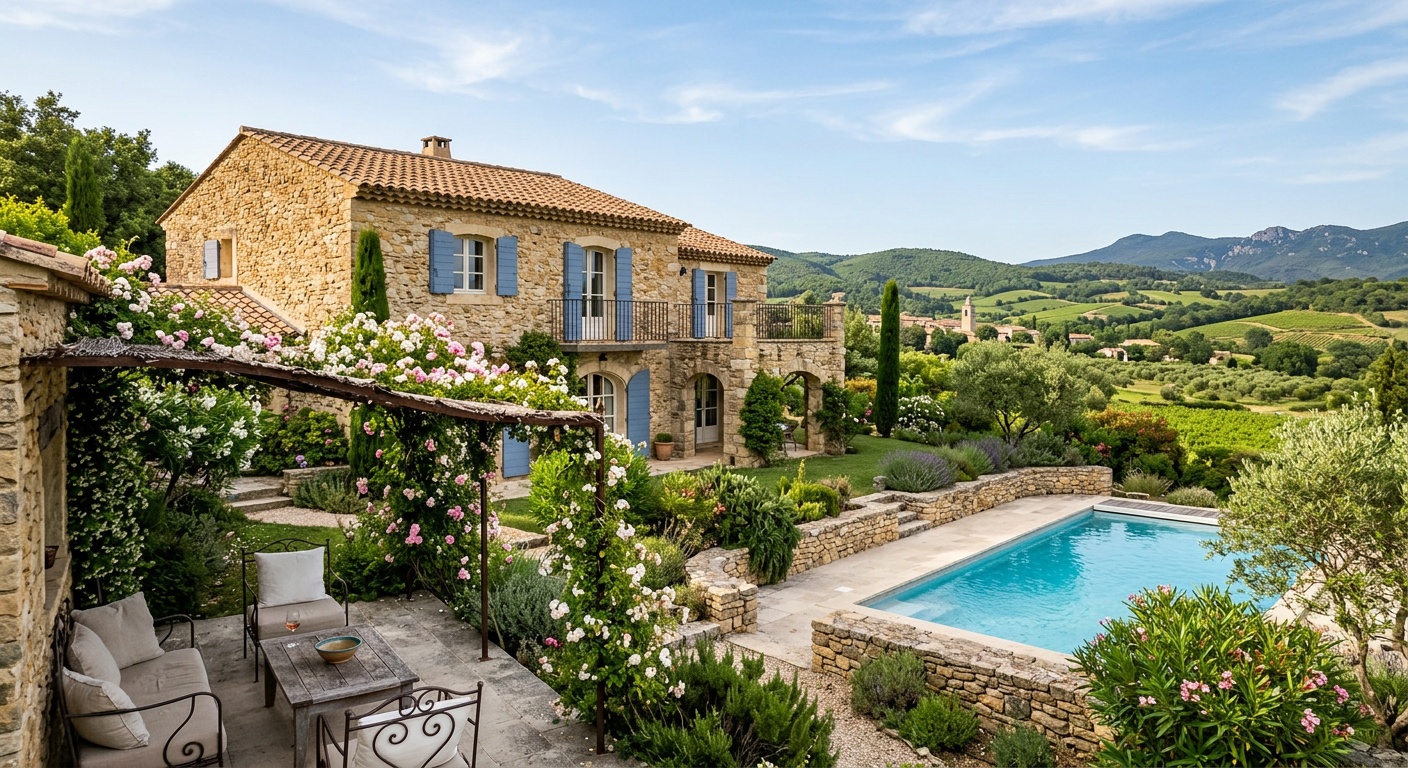
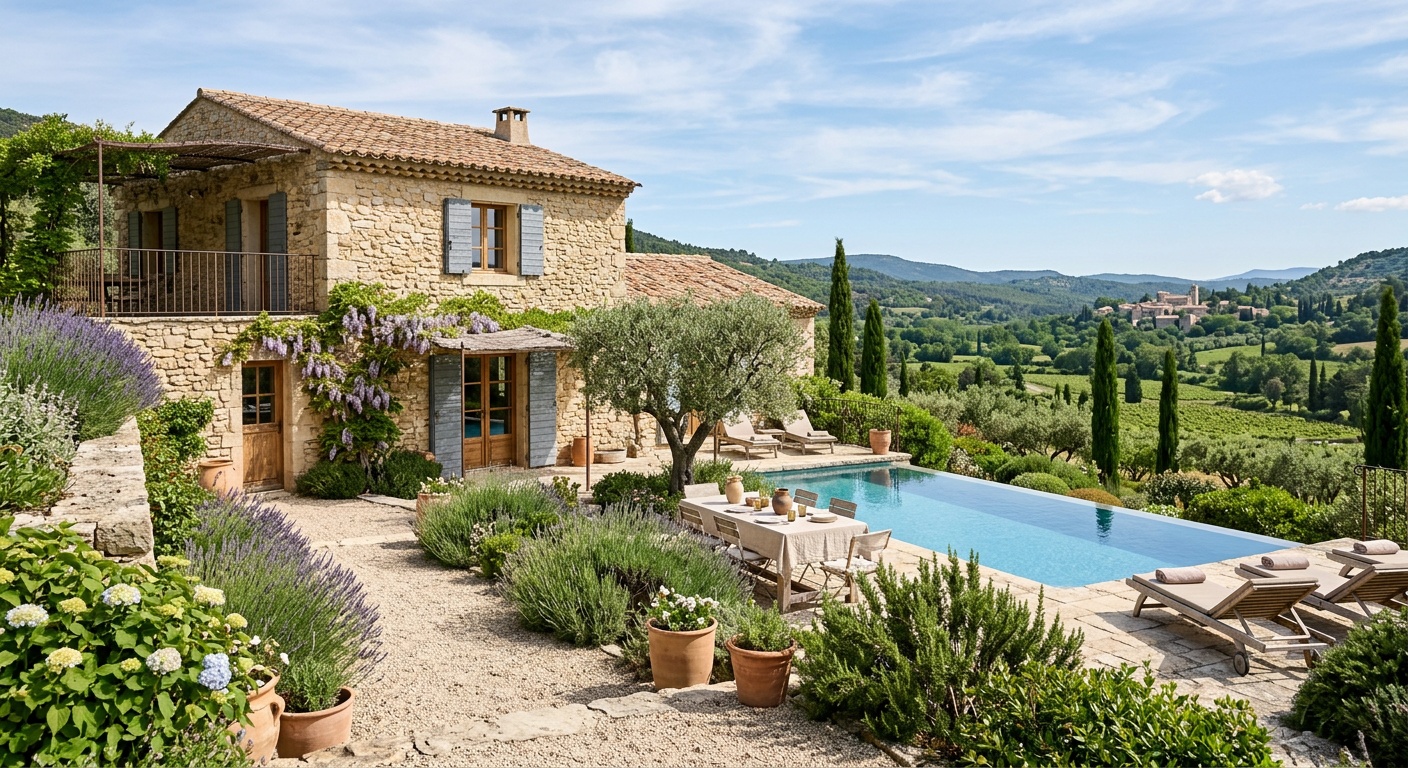
Picture this: you’re sipping a glass of crisp Picpoul de Pinet on a sun-drenched terrace, gazing out over vineyards that roll toward the Mediterranean. The scent of lavender drifts through the warm afternoon air, and somewhere in the distance, a church bell chimes the hour. This is Languedoc — and it could be your next unforgettable vacation.
But here’s the honest truth: finding the right rental in this sprawling, gloriously diverse region isn’t as simple as clicking the first listing that catches your eye. With over 27,000 vacation rentals currently listed across Languedoc-Roussillon on platforms like Airbnb, Vrbo, and Abritel in 2026, the search can feel overwhelming. The wrong choice can mean noisy motorways instead of vineyard views, or a charming-looking farmhouse that turns out to be a renovation project in disguise.
This guide is your strategic roadmap — whether you’re a first-time visitor drawn by the region’s affordability compared to Provence, or a returning traveler looking to dig deeper into its hidden corners.
Table of Contents
- Why Languedoc? Understanding the Region Before You Search
- Define Your Ideal Trip Before Touching Any Search Bar
- Navigating Booking Platforms in 2026
- Key Areas and What to Expect from Each
- Reading Listings Like a Pro: Green Lights and Red Flags
- Budgeting Smartly for Your Languedoc Rental
- Common Challenges and How to Overcome Them
- Frequently Asked Questions
- Your Languedoc Adventure Starts Here: Final Steps
Why Languedoc? Understanding the Region Before You Search
Languedoc is not a single destination — it’s a constellation of landscapes, cultures, and lifestyles stitched together between the Pyrenees and the Rhône Valley. In 2026, the region continues to attract a growing wave of travelers who are consciously stepping away from the over-touristed French Riviera in search of authenticity, space, and value.
According to data from the Comité Régional du Tourisme Occitanie, visitor numbers to the broader Occitanie region grew by approximately 8% between 2024 and 2026, with self-catered accommodation accounting for over 42% of all overnight stays. That’s a significant shift, and it reflects a broader travel trend: travelers want the experience of living somewhere, not just visiting.
The region spans dramatically different micro-climates and landscapes:
- The Hérault coastline — flat, lagoon-fringed, with bustling beach towns like Sète and Cap d’Agde
- The Gard interior — dramatic gorges, Roman aqueducts, and medieval villages
- The Aude valleys — Cathar castles, wild rivers, and the walled city of Carcassonne
- The Pyrénées-Orientales — vertiginous mountain landscapes meeting a rocky Catalan coastline
- The Lozère highlands — remote, wild, and strikingly beautiful for hikers and cyclists
Understanding which part of Languedoc suits your vision is the single most important step before you search for a rental. Many disappointed visitors discover too late that they booked a coastal apartment when what they really craved was a stone farmhouse amid olive groves.
“Languedoc rewards those who do their homework. It’s one of France’s most complex regions in terms of variety — and that complexity is exactly what makes it extraordinary.” — Marie-Claire Fontaine, travel writer and author of Hidden Occitanie (2025)
Define Your Ideal Trip Before Touching Any Search Bar
The biggest mistake vacation rental searchers make — in Languedoc and everywhere else — is opening a booking platform before clearly defining what they actually want. This leads to hours of aimless scrolling, impulsive bookings, and eventual disappointment.
The Four Core Questions to Answer First
Before you type a single search term, sit down and answer these honestly:
- What is the primary purpose of the trip? Beach relaxation, cultural exploration, wine touring, hiking, family gathering, remote work, or a combination?
- Who is traveling with you? A couple, a young family, a multigenerational group, a group of friends? Each profile has fundamentally different property requirements.
- What is your non-negotiable list? A private pool, air conditioning, WiFi, pet-friendly access, accessibility requirements, proximity to a specific attraction?
- How important is isolation versus community? Do you want to be in the heart of a village, or do you want a remote mas (farmhouse) where you won’t see a neighbor for days?
Building Your Traveler Profile: A Practical Example
Consider the experience of James and Sophie, a couple from Bristol who visited Languedoc in the summer of 2025. Their first search, done impulsively, led them to a modern apartment in Montpellier — clean, central, and completely at odds with their desire for countryside tranquility. When they returned in 2026, they spent 30 minutes completing a written brief before searching. They identified: a rural stone property, max 20 minutes from a village with markets, a private pool, dog-friendly, and within an hour of the Canal du Midi.
That brief led them directly to a bastide (manor house) near Pézenas — a property they nearly missed because it wasn’t appearing in their unfocused earlier searches. The lesson? Specificity is your most powerful search tool.
A useful framework to adopt is the Must-Have / Nice-to-Have / Deal-Breaker model:
- Must-Have: Private pool, air conditioning, sleeps 6+, pet-friendly
- Nice-to-Have: Wood-burning fireplace, views, outdoor dining area, proximity to wine estates
- Deal-Breaker: Main road noise, shared pool, no washing machine, poor WiFi
Navigating Booking Platforms in 2026
The vacation rental platform landscape has evolved considerably. In 2026, travelers in France have more options than ever — but not all platforms are created equal for the Languedoc market specifically.
Here’s an honest comparative overview of the main platforms you’ll encounter:
| Platform | Languedoc Listing Volume (2026) | Best For | Price Level | Notable Feature |
|---|---|---|---|---|
| Airbnb | ~14,000 | Urban + unique stays | Mid–High | Host messaging, reviews |
| Vrbo / Abritel | ~9,500 | Whole-home rural rentals | Mid | Family-focused filters |
| Gîtes de France | ~3,200 | Authentic rural gîtes | Low–Mid | Quality-rated classification |
| Clévacances | ~1,800 | Quality-certified stays | Low–Mid | Government quality standard |
| Direct owner sites | Variable | Premium villas, best value | Variable | No platform fees (8–15% savings) |
Pro Tip: In 2026, Gîtes de France remains one of the most underused platforms by international travelers searching in English. Their classification system (1–5 épis, or “ears of wheat”) provides a reliable quality benchmark that third-party reviews sometimes lack. For a genuine rural Languedoc experience, it’s worth navigating their French-language site or using a browser translation tool.
Also worth knowing: many of the best rural properties in Languedoc are still managed directly by owners, discoverable only through local tourist office websites or expat community groups on Facebook. A 20-minute Google search combining terms like “location gîte Hérault piscine privée” alongside specific village names can surface gems invisible on the major platforms.
Key Areas and What to Expect from Each
Let’s get geographically specific. Languedoc is enormous — roughly the size of Wales — and your experience will differ dramatically depending on where you base yourself.
Coastal Languedoc: The Beach Zone
The coastline stretching from the Camargue delta to the Spanish border is characterized by long sandy beaches, shallow lagoons (étangs), and a mix of purpose-built resorts and authentic fishing ports. Towns like Sète, Marseillan-Plage, La Grande-Motte, and Canet-en-Roussillon offer abundant rental stock, with prices significantly lower than the Côte d’Azur.
In peak season (July–August), expect coastal rentals to average €1,200–€2,800 per week for a three-bedroom property in 2026, compared to €3,500–€7,000 for equivalent properties near Nice or Cannes. The trade-off? Coastal Languedoc can be very busy, very windy (the Tramontane is unrelenting), and architecturally less charming than inland areas.
The Hérault and Gard Interior: The Sweet Spot
Many experienced Languedoc visitors consider the inland Hérault and Gard departments to be the region’s true heart. Here you’ll find medieval villages perchés (hilltop villages), Romanesque abbeys, wild garrigues landscapes, and some of France’s most exciting independent winemakers.
Key areas to target:
- Pic Saint-Loup area (north of Montpellier) — sophisticated wine country with a growing boutique rental scene
- Saint-Guilhem-le-Désert and the Hérault Gorge — dramatic and still relatively undiscovered
- Around Pézenas — antique markets, Molière connections, gentle Languedoc countryside
- The Pont du Gard area (Gard) — ideal for families combining culture and outdoor swimming
The Aude and Pyrénées-Orientales: Wild South
For those seeking drama — Cathar castles clinging to rocky outcrops, the wild Corbières vineyards, the medieval fortifications of Carcassonne — the Aude department delivers. Rentals here tend to offer exceptional value and space. A five-bedroom stone farmhouse with pool in the Corbières might run €900–€1,500 per week in mid-season 2026, a fraction of comparable properties further east.
The Pyrénées-Orientales (known locally as Pays Catalan) adds another layer entirely: Romanesque art in remote chapels, Collioure’s Fauve-painted harbor, and the dramatic descent of the Pyrenees to the coast at Banyuls.
Reading Listings Like a Pro: Green Lights and Red Flags
You’ve identified your ideal area and chosen your platform. Now comes the critical art of reading rental listings accurately. In 2026, AI-generated listing descriptions and professionally retouched photos have made this skill more important than ever.
Green Lights: What to Look For
- Multiple dated reviews — a property with 30+ reviews from the past two seasons is a far more reliable indicator than star ratings alone
- Owner/host responsiveness — message the host before booking with a specific question; how quickly and thoroughly they respond tells you everything about how issues will be handled
- Honest descriptions — listings that acknowledge limitations (“the village road can be busy during market days”) are almost always more trustworthy than breathlessly perfect write-ups
- Consistent photo angles — multiple photos from different angles, including less glamorous functional spaces (bathrooms, kitchen storage), suggest an honest presentation
- GPS coordinates or precise location map — vague location descriptions are a classic warning sign
Red Flags: Proceed with Caution
- Pool described as “nearby” or “shared” when you want private — clarify before booking
- “Air conditioning available” — in Languedoc’s summer heat (regularly 35°C+), this phrase often means one portable unit in one room
- Photos taken in spring when the surrounding landscape looks lush and green — summer Languedoc can be bone-dry and golden, which is beautiful but different
- No reviews newer than 18 months — properties go through ownership changes, and what was excellent in 2024 may have deteriorated
- Steep cancellation policies with no flexibility — not inherently problematic, but worth scrutinizing, especially if booking 6+ months ahead
Budgeting Smartly for Your Languedoc Rental
Let’s look at actual numbers. Here’s a data visualization of approximate weekly rental costs by property type in the Hérault/Gard area during peak season (July–August 2026):
Weekly Rental Cost Comparison — Languedoc (Peak Season 2026)
Beyond the headline rental cost, budget for these frequently overlooked additional expenses:
- Cleaning fees: €80–€250 depending on property size — now standard across most platforms
- Tourist tax (taxe de séjour): Typically €0.50–€3.00 per person per night, legally required across Languedoc municipalities
- Security deposit: Usually €300–€1,500, held (not charged) but tied up for the rental period
- Platform service fees: Airbnb charges guests 14–16%; booking directly with the owner saves this entirely
- Air conditioning: Some rural properties charge separately for AC use — always ask
Smart saving strategy: The shoulder seasons — late May through June, and September through early October — offer up to 35% lower rates than peak July–August, with arguably better weather (lower humidity, fewer crowds, harvests beginning in September). In 2026, many families are deliberately shifting travel to these windows.
Common Challenges and How to Overcome Them
Challenge 1: The Air Conditioning Gamble
Languedoc summers are genuinely hot. Montpellier recorded average July highs of 34°C in both 2024 and 2025, with heat waves pushing temperatures to 40°C+. Many older stone properties — however beautiful — were built before air conditioning was standard, and retrofitting them is expensive and architecturally disruptive.
Solution: Don’t rely on the listing description alone. Message the host specifically: “How many rooms have air conditioning units, and are they included in the rental cost?” For families with young children or elderly travelers, a property with inadequate cooling is a genuine health risk, not just a comfort issue. If you’re booking a stone farmhouse for July, thick walls provide natural insulation — but request specifics about shuttering systems and ceiling fans too.
Challenge 2: The “Rural Idyll” vs. Reality Gap
Languedoc’s rural properties are marketed with beautiful photography that captures the golden hour light, the bloom of wildflowers, and the romance of weathered stone. What the photos sometimes don’t show: the industrial chicken farm 400 meters away, the autoroute audible at night, or the condition of the track leading to the property.
Solution: Use Google Street View and satellite view to inspect the immediate surroundings before booking. Check for nearby roads, agricultural operations, or industrial zones. Then ask the host directly: “What can I hear from the terrace in the evening?” and “How far is the nearest neighbor?” Honest answers to these questions reveal a great deal about the host’s integrity.
Challenge 3: Booking Scams and Unverified Listings
While rare, rental fraud exists — particularly on listings that appear on platforms but redirect payments off-platform. In 2026, increasingly sophisticated fake listings have been reported, particularly targeting premium properties in sought-after areas.
Solution: Always pay through the platform’s official payment system. Never transfer money via bank transfer to an individual unless you’re booking directly with a verified owner whose property you’ve independently researched. Cross-reference the property on multiple platforms. Legitimate owners of sought-after properties in Languedoc will almost always have a traceable digital footprint — a personal website, social media presence, or listing history.
Frequently Asked Questions
What is the best time of year to rent a vacation home in Languedoc?
For the ideal balance of weather, availability, and price, the shoulder seasons are outstanding. Late May to mid-June offers warm temperatures (22–28°C), wildflowers in bloom, and prices 25–35% below peak. September is arguably Languedoc’s finest month: vendange (grape harvest) is underway, summer crowds have dissipated, the sea remains warm enough to swim, and the light turns golden and extraordinary. July and August offer guaranteed hot weather and a full festival calendar, but higher prices and significantly more crowds, particularly on the coast.
Do I need a car to make the most of a Languedoc vacation rental?
For rural properties and inland areas, yes — a car is essentially non-negotiable. The region’s train network connects major cities (Montpellier, Nîmes, Carcassonne, Perpignan) efficiently, but rural villages and most farmhouse rentals are inaccessible by public transport. The excellent A9 motorway provides fast north-south connectivity. If you’re based specifically in Montpellier, Sète, or Nîmes, urban mobility without a car is entirely feasible. Always check the property’s notes on road conditions — some Languedoc tracks require vehicles with reasonable ground clearance.
How far in advance should I book a vacation rental in Languedoc for summer?
For July and August travel, particularly in sought-after areas like the Pic Saint-Loup, the Pont du Gard region, or coastal properties near Sète, booking 6–9 months in advance is increasingly standard in 2026. The best properties — those with private pools, exceptional locations, or unique architectural character — often fill by January for the following summer. For shoulder season travel (May–June or September–October), 3–4 months advance booking typically provides good selection. Last-minute deals do exist, particularly for cancellations, but relying on them for peak season is a high-risk strategy.
Your Languedoc Adventure Starts Here: Final Steps
Finding the perfect vacation rental in Languedoc isn’t about luck — it’s about methodical, informed decision-making applied with genuine enthusiasm for what the region offers. Here’s your action-oriented checklist to move from inspiration to booking with confidence:
- Write your traveler brief (Must-Haves, Nice-to-Haves, Deal-Breakers) before opening any platform — 20 minutes now saves hours of frustration later.
- Choose your Languedoc zone based on your primary interests: coast, wine country, dramatic landscapes, or a combination.
- Search on multiple platforms simultaneously — cross-reference Airbnb with Gîtes de France and local tourist office listings for the same area to avoid missing hidden gems.
- Message hosts proactively with specific questions about air conditioning, road access, noise levels, and nearest amenities before committing to any booking.
- Verify surroundings via satellite map and read all reviews systematically, particularly the most recent ones and any that mention issues.
The broader trend is clear: in 2026 and beyond, the travelers who get the most from Languedoc are those who engage with it as a region of complexity and depth rather than simply a cheaper alternative to the Riviera. The region is evolving rapidly — new boutique wine estates are opening their doors to visitors, eco-conscious glamping sites are proliferating in the Cévennes, and remote-work-friendly rentals with high-speed fiber are increasingly common even in rural villages.
The perfect Languedoc rental is out there — a place where the evening light falls just right across an ancient stone courtyard, where the wine is extraordinary and underpriced, and where you feel not like a tourist but like a temporary local. Your brief, your research, and your well-asked questions are what will take you there.
What kind of Languedoc experience are you ready to discover in 2026 — and which corner of this magnificent, underrated region will you call home?