Legal Essentials for Renting Out Your Languedoc Holiday Home in 2026
Reading time: 9 minutes
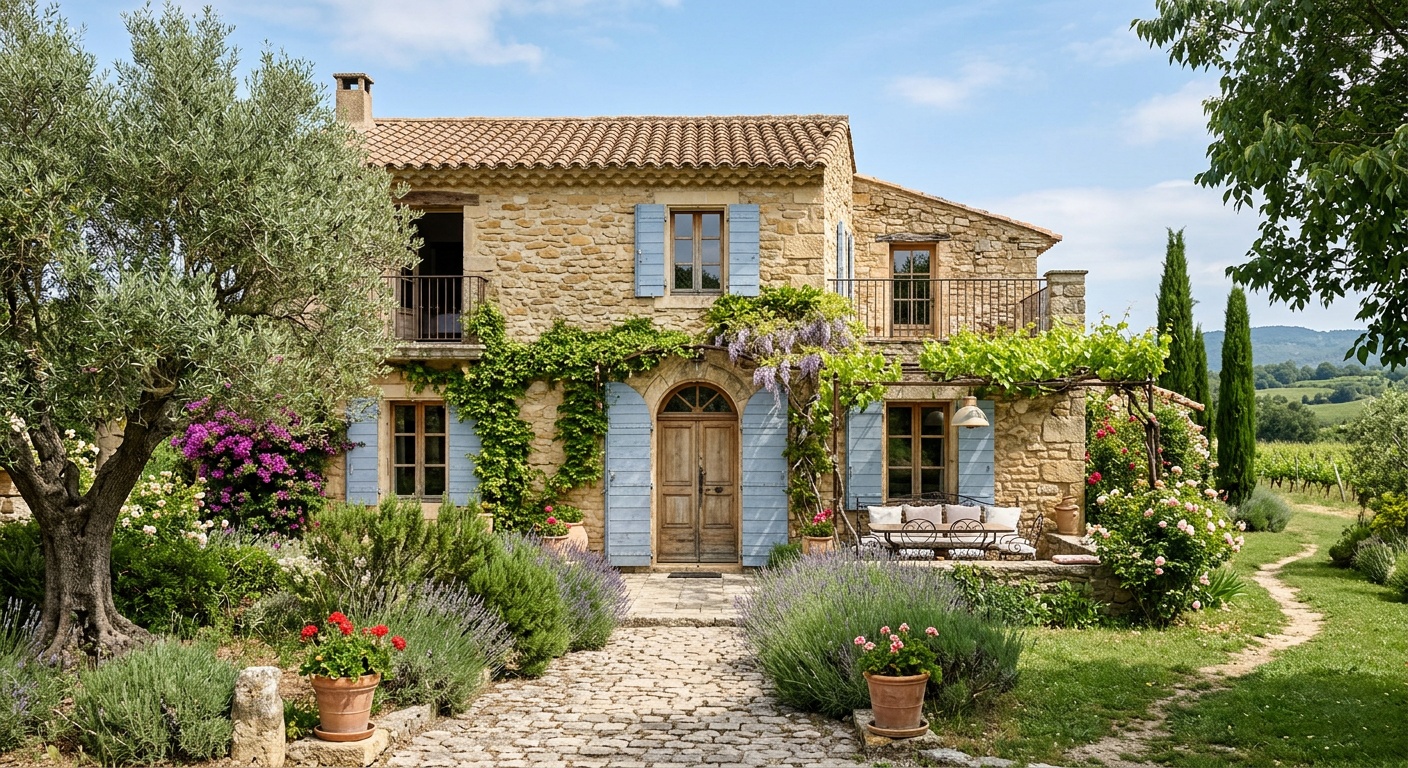
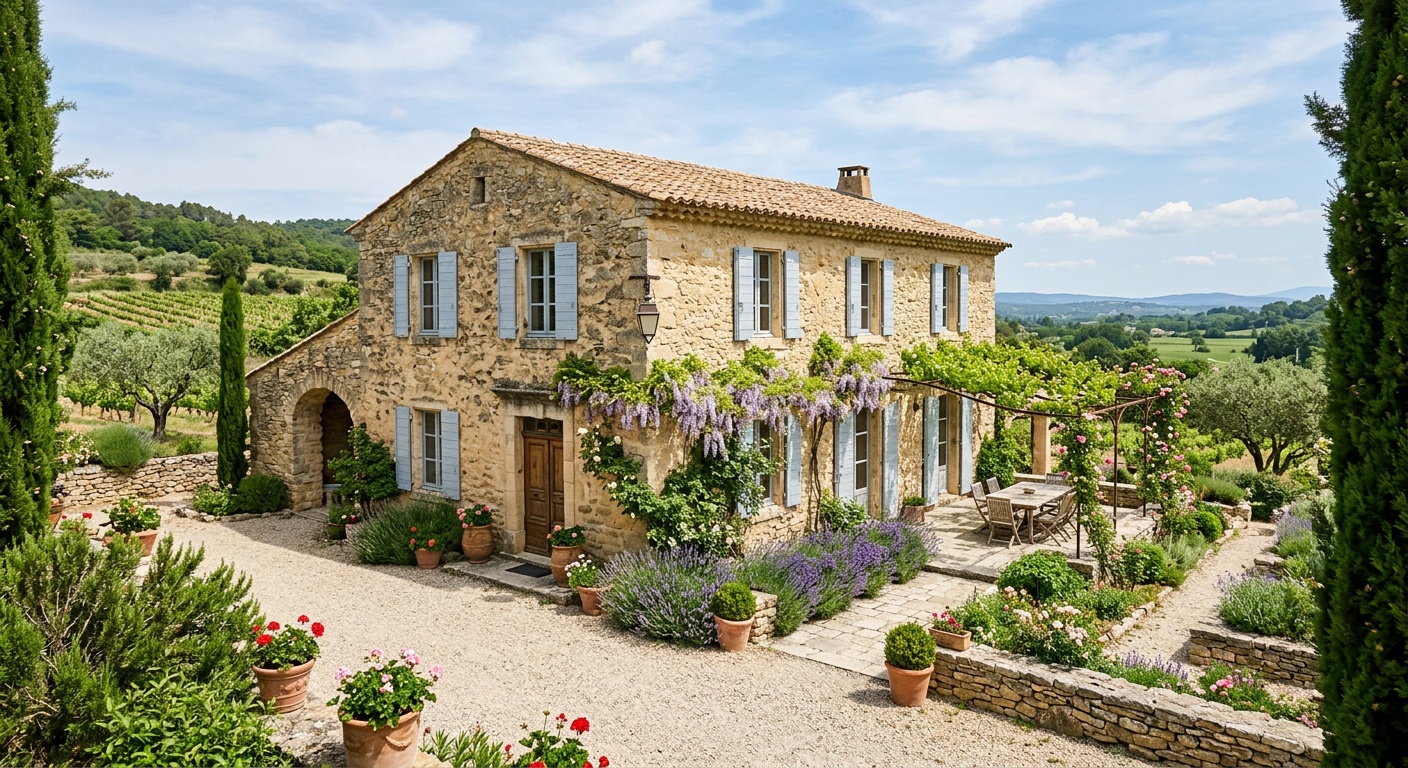
Picture this: you’ve just finished renovating that stone mas outside Pézenas, the lavender is blooming, and your first booking inquiry lands in your inbox. Exciting, right? But before you hand over the keys, there’s a stack of French administrative requirements standing between you and that rental income—and getting them wrong can cost far more than a bad review.
Table of Contents
- Understanding the Legal Framework
- Tax Obligations You Can’t Ignore
- Safety, Insurance, and Compliance
- Common Challenges (and How to Solve Them)
- Comparing Rental Statuses at a Glance
- Frequently Asked Questions
- Your Languedoc Rental Roadmap
Understanding the Legal Framework
France doesn’t treat holiday rentals as a free-for-all, and Languedoc-Roussillon municipalities—from Sète to Uzès—have become increasingly proactive about enforcement since 2024’s Loi Le Meur reshaped short-term rental rules nationwide. Here’s the straight talk: successful renting isn’t about dodging bureaucracy—it’s about front-loading the paperwork so you can operate worry-free for years.
Registration and Declaration Requirements
Every meublé de tourisme in France must be declared to the town hall (mairie) using the Cerfa 14004 form before the first guest arrives. As of 2026, most communes—including tourist hotspots like Pézenas, Sète, and Collioure—require a registration number (numéro d’enregistrement) that must appear on every listing, whether on Airbnb, Booking.com, or Abritel. Platforms are now legally obligated to verify this number and can delist properties that lack one.
Example: A British couple who bought a village house near Béziers in 2025 assumed their occasional weekend lets didn’t require registration because they “only rented a few weeks a year.” They received a €5,000 fine after a routine mairie audit—registration is mandatory regardless of rental frequency once you advertise commercially.
Classification: Classé vs. Non-Classé
Owners can voluntarily seek an official star classification (1 to 5 étoiles) through an accredited inspector. It’s optional, but it materially affects your tax treatment and your marketing appeal. A classified meublé de tourisme near the Canal du Midi can often command 15–20% higher nightly rates simply because guests associate stars with reliability.
Tax Obligations You Can’t Ignore
Since the 2025 Finance Law reform, the tax landscape for furnished tourist rentals tightened considerably. Non-classified properties now benefit from a reduced micro-BIC abatement of 30% (down from 50%) with a revenue ceiling of €15,000, while classified properties retain a more generous 50% abatement up to €77,700. Cross that threshold, or prefer to deduct real expenses like renovation costs and mortgage interest, and you’ll need the régime réel, which requires proper bookkeeping—often via an accountant familiar with French rental taxation.
Add to this the taxe de séjour (tourist tax), collected per night per guest and remitted to the commune, plus your annual taxe foncière and potential Cotisation Foncière des Entreprises (CFE) once you’re established as a genuine rental business.
Choosing the Right Tax Regime
According to French tax advisory firm Fiducial’s 2026 property owner survey, over 60% of foreign owners in Occitanie initially select the wrong regime, overpaying by an average of €1,800 annually. The fix is straightforward: estimate your gross annual rental income, compare it against the thresholds, and reassess yearly since your booking volume—and the law—can shift.
Safety, Insurance, and Compliance
Beyond taxes, France holds landlords to strict habitability and safety standards. Since January 2025, all newly classified meublés de tourisme rated F or G on the DPE (Diagnostic de Performance Énergétique) face restrictions, with a full phase-out of G-rated rentals scheduled by 2028 and F-rated by 2034. If your Languedoc farmhouse has poor insulation—common in older stone builds—budget for upgrades now rather than facing a rental ban later.
You’ll also need:
- Working smoke detectors (mandatory since 2015, still frequently checked)
- A fire extinguisher and clearly posted evacuation information
- Multi-risk landlord insurance (assurance propriétaire non-occupant) covering short-term guest liability
- Compliance with pool safety norms (a legal requirement if your property has one—alarm systems or barriers are non-negotiable)
Condominium and Co-ownership Restrictions
If your holiday home sits within a copropriété—common in renovated village apartments in Montpellier’s Écusson district or Carcassonne’s old town—check the building’s règlement de copropriété. Many co-ownership charters now explicitly restrict or ban short-term rentals following pressure from year-round residents tired of turnover traffic and noise. Ignoring this clause can trigger legal action from your co-owners’ association, not just the local authorities.
Common Challenges (and How to Solve Them)
Challenge 1: Change-of-use rules. In larger towns (generally over 200,000 residents, plus specific zones like parts of Montpellier), converting a primary residence into a full-time tourist rental may require a formal “change of use” authorization. Rural Languedoc villages are largely exempt, but always verify with the mairie—rules shift annually as municipalities respond to housing shortages.
Challenge 2: Language and paperwork fatigue. Many non-French owners underestimate the administrative load. Solution: hire a local gestionnaire (property manager) or bilingual accountant early. The upfront cost—typically €800–€1,500 annually—pays for itself in avoided penalties.
Challenge 3: Inconsistent enforcement. Some communes are lenient; others, especially in high-demand coastal areas like the Étang de Thau region, have ramped up inspections in 2026 following complaints about “ghost hotels.” Don’t assume your neighbor’s laxity applies to you—get your own compliance confirmed in writing from the mairie.
Comparing Rental Statuses at a Glance
| Status | Tax Abatement | Revenue Ceiling | Registration Needed | Typical Nightly Premium |
|---|---|---|---|---|
| Classified (étoilé) | 50% | €77,700 | Yes | +15–20% |
| Non-classified | 30% | €15,000 | Yes | Baseline |
| Régime réel (either) | Actual expenses deducted | No ceiling | Yes | Depends on costs |
| Unregistered/informal | N/A | N/A | No (illegal) | High fine risk |
Tax Abatement Comparison (Visualized)
Frequently Asked Questions
Do I need a French SIRET number to rent out my Languedoc property?
If you’re renting occasionally as a private individual, you generally don’t need a SIRET number under the micro-BIC regime—your registration with the mairie and tax declaration suffice. However, if your activity becomes substantial (multiple properties, high turnover, or you exceed regime réel thresholds), registering as a loueur en meublé professionnel with a SIRET becomes necessary.
Can I be fined for not displaying my registration number online?
Yes. Since the Loi Le Meur reforms took full effect, platforms must verify registration numbers, and municipalities can fine owners up to €5,000 per unregistered listing, with repeat offenses risking higher penalties and potential rental bans.
What happens if my property fails the DPE energy rating requirement?
G-rated properties face phased rental restrictions through 2028, and F-rated through 2034. If your Languedoc home falls into these categories, you can still rent it in 2026, but you should plan renovations (insulation, heating upgrades) now to avoid losing rental eligibility later—and to benefit from available renovation grants like MaPrimeRénov’.
Your Languedoc Rental Roadmap
Renting out a holiday home in Languedoc isn’t just a lifestyle choice—it’s a small business, and treating it that way is what separates owners who thrive from those who face fines and frustration. As France continues tightening short-term rental oversight through 2026 and beyond, proactive compliance will only become more valuable, not less.
- Step 1: Register your property with the mairie and obtain your numéro d’enregistrement before listing anywhere.
- Step 2: Decide between classified and non-classified status based on your revenue goals and willingness to invest in an inspection.
- Step 3: Choose your tax regime carefully—micro-BIC for simplicity, régime réel if your expenses are substantial.
- Step 4: Check your DPE rating now and plan renovations before restrictions tighten further.
- Step 5: Review your copropriété rules and local urbanisme requirements to avoid conflicts with neighbors or authorities.
Whether you’re renting out a converted cave in Minervois or a coastal villa near Valras-Plage, the legal groundwork you lay today determines how smoothly your rental income flows tomorrow. So, what’s the one compliance step you’ve been putting off—and what’s stopping you from tackling it this week?