How Much Does a Holiday House Rental in Languedoc Cost? Your Complete 2026 Pricing Guide
Reading time: 12 minutes
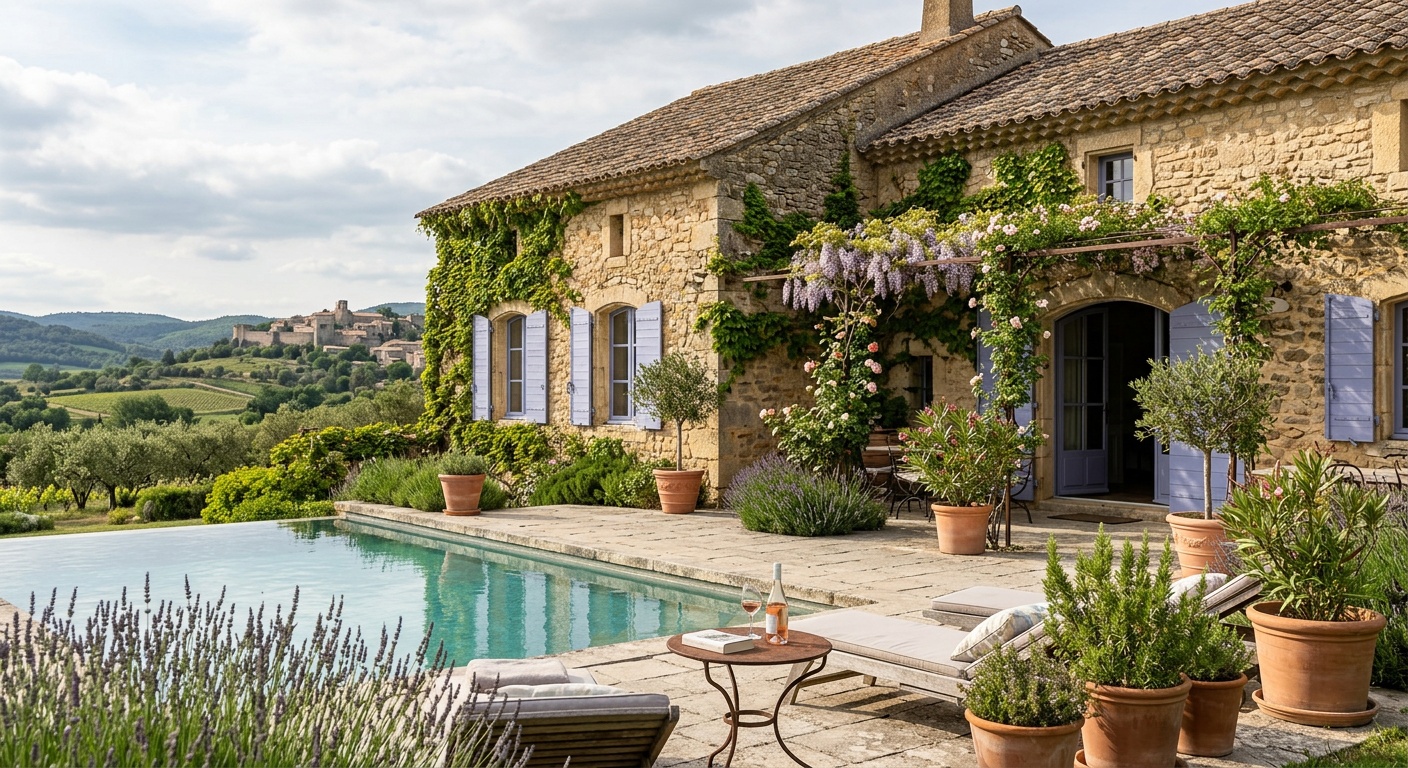
Picture this: you’re sitting on a sun-drenched terrace, a glass of Picpoul de Pinet in hand, gazing out over vineyards that stretch all the way to the glittering Mediterranean. That’s the Languedoc dream — and in 2026, it’s more accessible than ever, if you know how to navigate the pricing landscape.
But here’s the honest truth that most travel blogs won’t tell you: Languedoc holiday rental costs vary wildly. We’re talking anywhere from €60 per night for a rustic gîte tucked into the Hérault hills, to over €3,000 per night for a restored château near Montpellier. Without a clear roadmap, you could end up overpaying by 40% or missing out on extraordinary value hidden in lesser-known villages.
This guide cuts through the noise. Whether you’re a first-time visitor drawn by the Canal du Midi or a seasoned Languedoc returnee planning a longer stay, we’ll give you the real numbers, the insider strategies, and the seasonal intelligence you need to make a confident, cost-smart decision.
Table of Contents
- Why Languedoc? The Value Proposition in 2026
- Holiday Rental Price Ranges by Property Type
- Seasonal Pricing: When You Book Matters Enormously
- Location Breakdown: Which Areas Cost What
- Languedoc vs. Other French Holiday Destinations
- Hidden Costs You Need to Budget For
- Real Rental Scenarios: Three Traveller Profiles
- Smart Booking Strategies to Reduce Costs
- Frequently Asked Questions
- Your Languedoc Rental Roadmap: Final Steps
Why Languedoc? The Value Proposition in 2026
Languedoc — officially part of the Occitanie region — has long been France’s best-kept holiday secret. Stretching from the Rhône delta in the east to the foothills of the Pyrenees in the west, it offers everything Provence does at a fraction of the price. In 2026, with Provence and the Côte d’Azur experiencing significant tourist inflation (up approximately 18% since 2023), Languedoc has emerged as the smart traveller’s alternative.
The region encompasses diverse micro-destinations: the medieval streets of Carcassonne, the wine routes of the Hérault, the lagoon-laced coastline around Sète, the wild Camargue borderlands, and the ancient Roman city of Nîmes. Each sub-region carries its own rental pricing logic, which we’ll unpack in detail.
According to data published by the Occitanie Tourism Board in early 2026, holiday rental bookings in Languedoc increased by 22% year-on-year, driven largely by travellers migrating away from overcrowded hotspots in southern France and Spain. This growing demand has pushed prices up moderately — but Languedoc remains significantly more affordable than its neighbours.
Key Reasons Travellers Are Choosing Languedoc in 2026
- Cost advantage: Average nightly rates are 35–45% lower than comparable properties in Provence
- Authenticity: Fewer mass-tourism crowds mean more genuine local experiences
- Diversity: Beach, mountain, vineyard, and city stays all within easy driving distance
- Climate: Over 300 days of sunshine annually, with mild spring and autumn seasons ideal for longer stays
- Gastronomy: Home to some of France’s most exciting wine appellations and seafood traditions
Holiday Rental Price Ranges by Property Type
Let’s get into the numbers you actually came here for. Below is a comprehensive breakdown of what you can realistically expect to pay across different property categories in Languedoc in 2026. These figures are based on aggregated data from major platforms including Airbnb, Vrbo, Gîtes de France, and regional specialist agencies.
Gîtes (Rural Cottages): The Authentic Budget Option
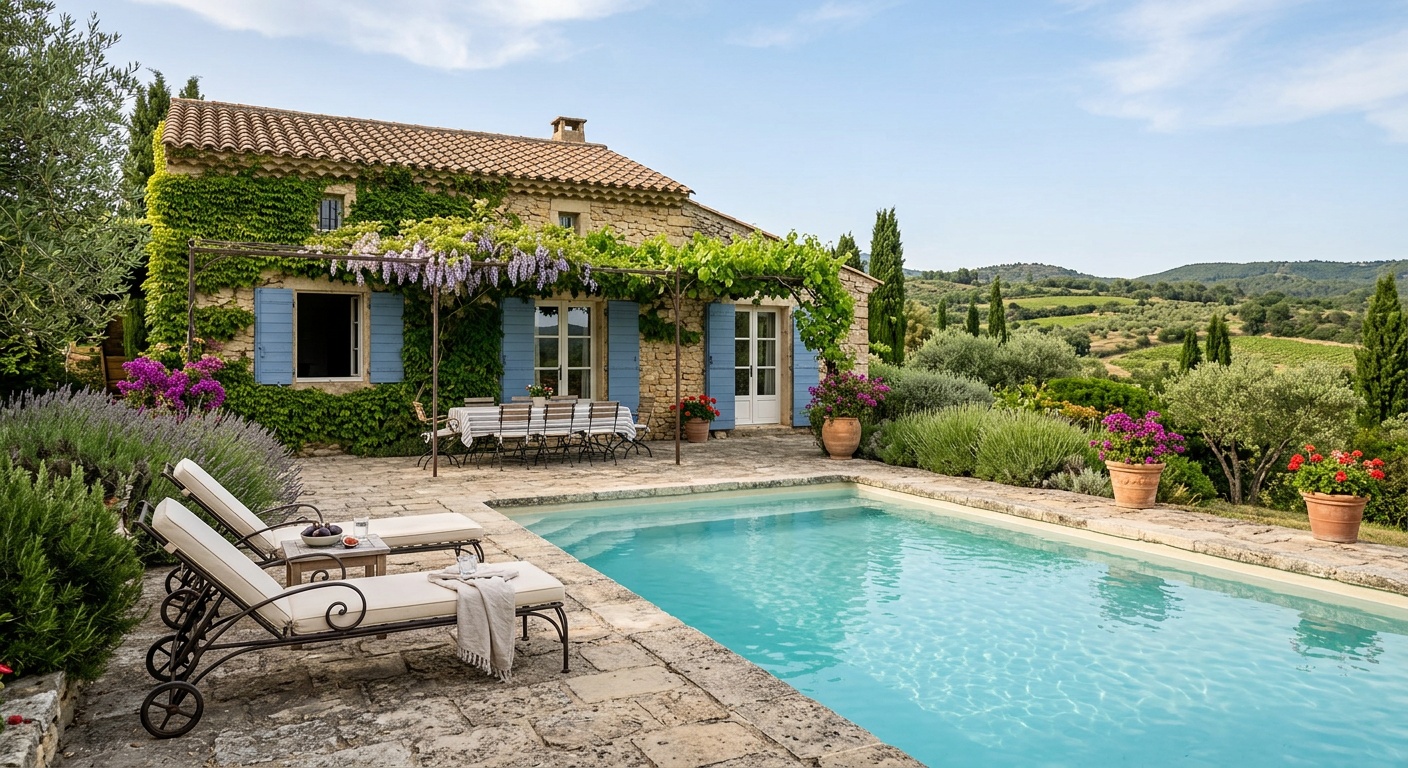
The gîte is the backbone of French rural tourism. These self-catering rural cottages are typically converted farmhouses, stone outbuildings, or village houses. In Languedoc, they represent outstanding value and are often the most characterful accommodation option available.
- Basic gîte (1–2 bedrooms, rural setting): €60–€120 per night
- Mid-range gîte (2–3 bedrooms, with pool): €120–€220 per night
- Premium gîte (4+ bedrooms, renovated, pool, views): €220–€400 per night
Weekly rates for gîtes often represent a 10–15% discount on the per-night equivalent, particularly through the official Gîtes de France network. A comfortable three-bedroom gîte in the Hérault with a private pool typically runs €900–€1,400 per week in the shoulder season.
Villas: Mid-Range to Luxury Comfort
Languedoc’s villa market has grown substantially. You’ll find everything from modest modern villas on coastal urbanisations to grand mas (traditional farmhouses) set in private vineyards. Pricing in 2026 reflects this breadth:
- Standard villa (3–4 bedrooms, private pool): €200–€450 per night
- Premium villa (4–5 bedrooms, landscaped grounds): €450–€900 per night
- Luxury villa (5+ bedrooms, chef kitchen, panoramic views): €900–€2,000 per night
Châteaux and Domaines: The Splurge Category
For groups celebrating special occasions, Languedoc’s wine estates and historic châteaux offer unparalleled grandeur. These properties frequently include wine-tasting experiences, sprawling gardens, and concierge services.
- Boutique château (6–8 bedrooms): €1,500–€3,000 per night
- Grand domaine (8–15 bedrooms, full estate): €3,000–€6,000+ per night
Many domaines require minimum weekly bookings during peak season. However, some offer midweek or weekend short breaks in spring and autumn at considerably reduced rates.
Apartments: City Stays in Montpellier, Nîmes, and Carcassonne
- Studio/one-bedroom apartment (city centre): €55–€110 per night
- Two-bedroom apartment (central, quality finish): €100–€180 per night
- Penthouse or premium apartment: €180–€350 per night
Seasonal Pricing: When You Book Matters Enormously
In Languedoc, the difference between peak and off-peak pricing can be staggering — often 80–120% more expensive during high summer. Understanding the seasonal rhythm is arguably the single most powerful tool you have for optimising your budget.
Here’s a practical seasonal guide based on 2026 market data:
- Low Season (November–March): Prices at their lowest, averaging 40–60% below peak. Excellent for city breaks and wine tourism. Some coastal properties close entirely.
- Early Shoulder (April–May): Blooming landscapes, mild temperatures, prices 25–40% below peak. Ideal for walkers and cyclists. Increasingly popular, so book 3–4 months ahead.
- Late Shoulder (September–October): Grape harvest season, warm sea temperatures, outstanding food and wine events. Prices typically 20–35% below peak. Many experienced travellers’ preferred window.
- High Season (June–August): Peak pricing. July and the first two weeks of August command the highest rates. Coastal properties can double or triple in price compared to April. Book 6–9 months in advance for best selection.
Languedoc Rental Price Index by Season (Base: Low Season = 100)
*Averages across all property types. Luxury properties may exceed these ranges significantly. Data: regional agency aggregation, 2026.
Location Breakdown: Which Areas Cost What
Languedoc is not a monolith. Where you stay within the region has a profound impact on what you’ll pay. Here’s an honest geographic breakdown:
Coastal Languedoc: Cap d’Agde, Sète, Palavas, Marseillan
Coastal properties command the highest premiums in peak season. The areas around Cap d’Agde and La Grande-Motte attract families seeking beach access, and prices reflect that demand. In July and August 2026, a three-bedroom villa with pool within 2km of the coast averages €450–€750 per night. However, book the same property in May and you’re looking at €200–€320. Sète — France’s “singular island” and an increasingly hip destination — now commands prices closer to Montpellier than the budget coastal towns of a decade ago.
Inland Hérault and Wine Country (Saint-Guilhem, Pézenas, Béziers Area)
This is the sweet spot for value-seekers. The medieval village of Saint-Guilhem-le-Désert, the elegant arts town of Pézenas, and the rolling vineyards around Béziers offer stunning scenery, cultural richness, and rental prices that are 25–40% below their coastal counterparts. A beautifully renovated four-bedroom stone mas with pool and vineyard views in this area costs approximately €250–€450 per night at peak, dropping to €150–€250 in shoulder season.
Montpellier City and Surrounds
France’s fastest-growing city offers a thriving short-term rental market. City-centre apartments average €90–€160 per night year-round, with less dramatic seasonal fluctuation than rural or coastal properties. The villages immediately surrounding Montpellier (Castelnau-le-Lez, Lattes, Pignan) offer suburban gîtes at €120–€220 with good transport links into the city.
Carcassonne and the Aude
The iconic walled city of Carcassonne draws visitors year-round, which sustains moderate pricing even off-season. Apartments within or adjacent to the Cité medievale average €90–€180 per night. Rural properties in the surrounding Aude countryside — particularly towards the Cathar Castles route — represent some of the best value in all of Languedoc, with charming gîtes available from €75–€140 per night even in shoulder season.
Nîmes and the Gard
Nîmes and its surroundings (including the spectacular Pont du Gard area) have seen growing rental demand since being spotlighted in major travel publications in 2025. Prices remain moderate: city apartments at €80–€150 per night, rural properties at €110–€250 depending on quality and pool access.
Languedoc vs. Other French Holiday Destinations
| Region | Avg. Peak Night (3-bed Villa) | Avg. Shoulder Night | Value Rating | Crowd Level (Peak) |
|---|---|---|---|---|
| Languedoc | €320–€600 | €170–€320 | ⭐⭐⭐⭐⭐ | Moderate |
| Provence | €550–€1,100 | €300–€580 | ⭐⭐⭐ | Very High |
| Côte d’Azur | €800–€2,500 | €420–€900 | ⭐⭐ | Extreme |
| Dordogne | €280–€550 | €160–€300 | ⭐⭐⭐⭐ | Moderate–High |
| Brittany | €200–€420 | €130–€240 | ⭐⭐⭐⭐ | Moderate |
Data sourced from Airbnb regional reports, Vrbo pricing indexes, and specialist French holiday rental agencies, Q1 2026.
Hidden Costs You Need to Budget For
The headline rental price is rarely the full story. Experienced Languedoc visitors know that a €200/night listing can easily become €260/night once all fees are factored in. Here’s what to watch for:
- Cleaning fees: Typically €60–€200 per stay depending on property size. On a 7-night booking, this adds €8–€28 per night to your effective rate. Always check whether it’s included or additional.
- Tourist tax (taxe de séjour): Most Languedoc municipalities charge €0.50–€3.00 per adult per night. Usually collected by the host or platform. Montpellier charges up to €3.00 per person per night for premium properties.
- Pool heating surcharge: Many properties charge €50–€150 extra per week if you want the pool heated, especially relevant from April–June and September–October.
- Security deposit: Ranges from €300–€2,000 depending on property value. Usually blocked on a credit card rather than charged, but can affect your available credit.
- Platform service fees: Booking through Airbnb or Vrbo typically adds 12–17% to the base price. Some specialist agencies offer lower or zero booking fees.
- Linen and towel hire: Some gîtes, particularly those in the Gîtes de France network, charge separately for bed linen (approximately €10–€20 per set).
- Electricity surcharges: In summer 2026, some owners have introduced energy cost supplements (€20–€60 per week) to offset rising electricity prices. Always read the fine print.
Pro Tip: When comparing listings, always click through to the final checkout page before making any judgments about price. A lower-priced listing with €180 in cleaning fees can easily exceed an apparently pricier listing that includes cleaning. The final, all-in total is the only meaningful comparison point.
Real Rental Scenarios: Three Traveller Profiles
Profile 1: The Budget-Conscious Couple
Sophie and Marcus, from Birmingham, booked a two-week stay in the Aude in late September 2025. Their goal was maximum Languedoc experience on a tight budget. They found a two-bedroom stone gîte near the village of Lagrasse through Gîtes de France at €95 per night, inclusive of linen. With no platform service fee (booked directly), a cleaning charge of €65 for the stay, and a tourist tax of €1.20 per person per night, their total for 14 nights came to:
- Accommodation: €1,330 (14 × €95)
- Cleaning: €65
- Tourist tax: €33.60 (2 people × 14 nights × €1.20)
- Total: €1,428.60 — approximately €102 per night all-in
They described the property as “genuinely magical — ancient stone walls, a fig tree in the courtyard, and not another tourist in sight.” The September timing meant they caught the grape harvest and enjoyed restaurants without queues.
Profile 2: The Family Group
The Delacroix-Henderson family — two parents, three children, and one grandmother — needed a property sleeping seven for two weeks in August 2026. They chose a four-bedroom villa with private pool near Pézenas, booked through a specialist Languedoc agency 8 months in advance. Their cost breakdown:
- Accommodation: €3,920 (14 × €280/night, peak season)
- Agency booking fee (8%): €313.60
- Cleaning: €150
- Tourist tax (5 adults × 14 × €1.50): €105
- Security deposit (refunded): €800
- Total paid: €4,488.60 — approximately €321/night all-in for 7 people
Divided across seven people, that works out to under €46 per person per night — comparable to budget hotel pricing for an experience that included a private pool, full kitchen, and three times the space.
Profile 3: The Luxury Celebratory Group
A group of twelve friends celebrating a 50th birthday spent a long weekend (4 nights) in May 2026 at a seven-bedroom domaine in the Pic Saint-Loup wine appellation north of Montpellier. The property included wine-tasting with the domaine owner, a chef for two evenings, and a heated pool.
- Accommodation: €7,600 (4 × €1,900/night)
- Chef service (2 evenings): €800
- Cleaning: €350
- Tourist tax: €72
- Total: €8,822 — approximately €2,205/night, or €184 per person per night
At under €200 per person per night for a luxury château experience with private chef and sommelier, they unanimously agreed it was extraordinary value compared to booking hotel rooms for a similar group occasion.
Smart Booking Strategies to Reduce Costs
Here’s where knowing the system pays real dividends. These aren’t vague suggestions — these are concrete tactics that experienced Languedoc renters use to consistently find better deals.
Book Direct Whenever Possible
Platform fees from Airbnb and Vrbo can add 12–17% to a booking. Many owners list on these platforms but are happy to book directly, saving both parties money. Find the owner’s details through the platform (use messaging to ask for their website), then book via bank transfer for a typical 8–12% saving. This is legal and common in the French holiday rental market.
Target the Shoulder Season Sweet Spots
May and September are objectively the best months in Languedoc for most travellers: warm enough to swim (sea temperatures reach 22–24°C in September), uncrowded, and 25–40% cheaper. If you have school-age children, the last week of August (when French school holidays typically end around August 27–30) can drop sharply in price at short notice.
Use Specialist Agencies for Complex Requirements
For larger groups or premium properties, specialist French holiday rental agencies often have access to properties not listed on mainstream platforms. Agencies such as Interhome, French Country Cottages, and regional operators like Midi Holidays have direct owner relationships and can negotiate extras like pool heating or early check-in that platform algorithms don’t allow for.
Consider Longer Stays for Better Weekly Rates
Most owners offer meaningful discounts for bookings of 14 nights or more — often 10–20% below the weekly rate. If you have flexibility in your schedule, a 12–14 night stay can bring you a rate closer to the shoulder season price even during busier periods.
Watch for Last-Minute Availability
Properties that haven’t sold out 4–6 weeks before a booking window often drop prices significantly. This works better for couples or small groups with flexibility than for families needing specific sizes. The Languedoc rental market in 2026 still sees approximately 15–20% of properties reduce rates in the final month before availability dates — a meaningful opportunity for spontaneous travellers.
Frequently Asked Questions
What is the average cost of a week’s holiday rental in Languedoc in 2026?
For a three-bedroom property with private pool — the most common choice for families and groups — you can expect to pay approximately €1,400–€2,200 per week in the shoulder season (May or September) and €2,500–€4,500 per week at peak (mid-July to mid-August). Budget gîtes for couples start from around €600–€900 per week, while luxury châteaux can exceed €25,000 per week. The single biggest lever you have on price is your travel timing — shoulder season versus peak can halve your rental cost for an identical property.
Are there any additional taxes or fees I should be aware of when renting in Languedoc?
Yes, several. The taxe de séjour (tourist tax) is charged per adult per night and ranges from €0.50 to €3.00 depending on the municipality and property classification. Most bookings also carry a cleaning fee (€60–€200 per stay), and some properties charge separately for pool heating, linen, and towels. If booking through Airbnb or Vrbo, service fees of 12–17% are added at checkout. Always calculate the total all-in cost before comparing listings — the advertised nightly rate alone is rarely a reliable comparator.
Is it better to book through a major platform or a specialist agency for Languedoc rentals?
It depends on your specific situation. Major platforms like Airbnb and Vrbo offer broader choice, user reviews, and standardised payment protection — valuable for first-time renters or those booking unfamiliar properties. However, specialist agencies provide advantages for larger groups, luxury properties, and travellers who want a curated experience with local expertise. They often have access to exclusive properties and can arrange extras. For direct bookings that bypass both, you need to verify the owner thoroughly and consider using a secure payment method with dispute resolution. For most travellers, a combination approach works well: use platforms to research and shortlist, then reach out directly if the saving justifies the additional verification effort.
Your Languedoc Rental Roadmap: Making the Smart Move
You now have what most holiday planners spend hours searching for — a clear, honest picture of what Languedoc holiday rentals actually cost, and how to navigate that landscape intelligently. Let’s crystallise this into a practical action plan:
- Step 1 — Define your non-negotiables: Pool? Proximity to coast? Minimum bedrooms? Knowing your actual requirements prevents you from overpaying for features you don’t need or underpaying for a property that disappoints.
- Step 2 — Fix your dates strategically: If you have any flexibility at all, target May, early June, or September. The experience is often superior to peak season — quieter, more authentic — and costs 30–40% less.
- Step 3 — Compare all-in totals, not nightly rates: Use the checkout page figure. Add cleaning, tourist tax, and service fees before making any comparisons.
- Step 4 — Explore direct booking opportunities: If you find a property you love on a major platform, spend five minutes trying to find the owner’s direct contact. A 10% saving on a €3,000 booking is €300 — real money.
- Step 5 — Book early for peak, or late for deals: The market rewards both extremes. Book 6–9 months ahead for peak season properties. For shoulder season, watch for last-minute reductions 4–6 weeks out.
Languedoc represents a broader shift in how discerning travellers are approaching southern Europe — moving away from the predictable and overcrowded towards places that offer genuine character, value, and depth of experience. The region’s growing popularity means that the pricing advantage it holds over Provence and the Riviera won’t last forever; by 2028–2030, analysts expect continued convergence as awareness grows.
The question worth sitting with as you plan your trip: What kind of Languedoc experience do you actually want — and what would it mean to get it on your own terms, at the right price, in a place that still feels genuinely discovered rather than packaged? That answer is your starting point for everything else.